In the steel industry, anticipating market movements can be the difference between a profitable project and one with operational bottlenecks. Trends in the steel and construction markets in the coming years demand close attention to the complex integration of technology, sustainability, and strategic logistics.
In this article, you will learn about the main transformations shaping the future of the sector, from the rise of... modular construction and the new green steel requirements, ...until the impact of digitalization in the supply chain and the importance of regional capillarity To ensure cost predictability. Keep reading to learn more!
The traditional construction site is giving way to methods that prioritize assembly over molding. on site. Modular construction, which projects global growth of approximately 6,02% (CAGR) until 2030, according to Mordor Intelligence, This positions steel as the key material in this transition.
Because it is a highly precise, millimeter-level input that is easy to assemble, it allows structures to be manufactured in a controlled environment and simply installed at their final destination.
In Brazil, this trend is gaining momentum due to the need for constructive rationalization and waste reduction — which in conventional methods They can reach up to 25% of the total weight of the work. due to rework and loss of materials.
The gain in speed is another decisive factor, with the reduction of the schedule by up to 40% compared to structural masonry, allowing for a much faster return on investment (ROI) for the construction company.
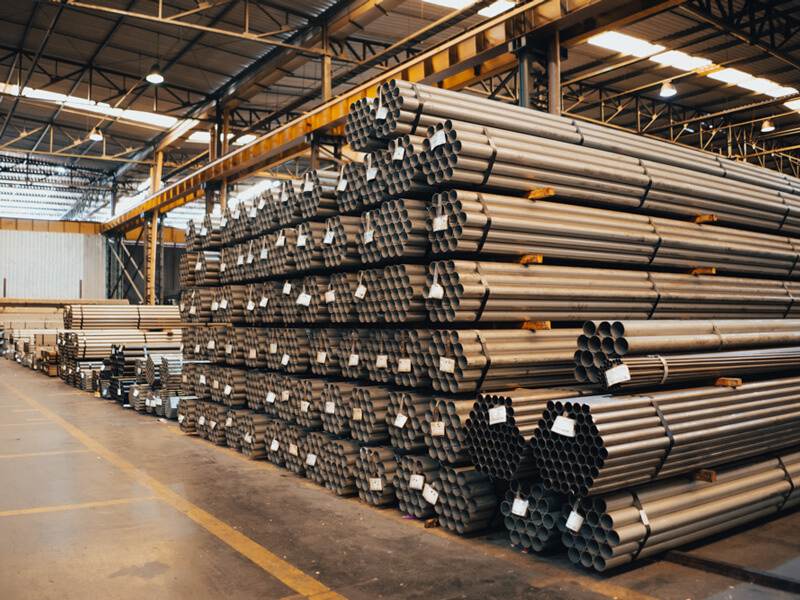
Through Sinobras, The Aço Cearense Group guarantees the manufacture of long steel products that strictly adhere to technical standards, providing the basis for... Ceará Steel Distribute and process complete solutions for industrial scale, from rebar to sheets and pipes.
Sustainability has become a business and licensing requirement. Currently, steel is one of the materials most aligned with the circular economy.
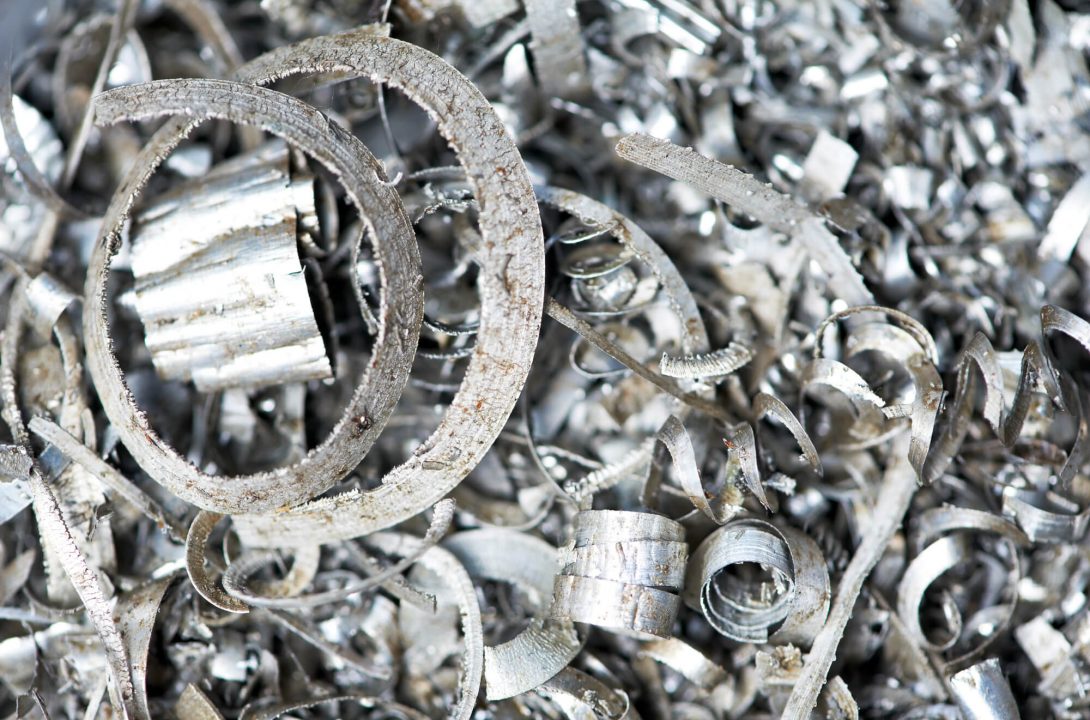
Data from Brazilian Steel Institute indicate that approximately 30% of national production It already comes from scrap recycling, saving up to 74% power compared to primary production.
The distinguishing feature of the Aço Cearense Group goes beyond recycling. Through Sinobras Forestry, We use eucalyptus for the production of bio-reducing agent (charcoal), which replaces the use of fossil fuels in blast furnaces.
This process results in steel with a smaller carbon footprint, making it easier to obtain environmental certifications such as LEED and AQUA-HQE from the construction companies' perspective, adding value to the final property and meeting the demands of investors focused on ESG criteria.
Another important development is the expansion of clean energy projects in the country. Solar and wind farms require complex structures, with specific steel needs to support towers, panels, and transmission systems.
Investments in the area doubled from 2018 to 2023, and are expected to continue influencing the architecture of future projects. Steel, once again, stands out for its combination of lightness, strength, and durability, proving fundamental in these applications.
The diversification of steel applications is keeping pace with the advancement of renewable energies and expanding opportunities for everyone in the construction industry.
Digital transformation has reached the steel industry to solve one of the biggest pain points in the B2B sector: logistical uncertainty.
According to the ABCEM, Companies that adopt digital manufacturing and management systems report a reduction in 35% in production time and greater accuracy in budgets.
At Grupo Aço Cearense, this digitalization is materialized in e-commerce of Aço Cearense, a platform that offers customers greater autonomy in checking availability and tracking the order journey.
This transparency is vital in a scenario of price volatility, as it allows the purchasing manager to... monitor fluctuations in real time and make decisions based on concrete data.
This facilitates cash flow planning and demand anticipation, mitigating the risk of operational shutdowns due to shortages of critical items such as rebar, screens, and trusses.
In our conversations with engineers, architects, and construction managers, a recurring theme emerged: The demand for proof of quality and traceability is stronger than ever.
Technical standards for steel in civil construction have become essential. Certificates of origin, performance certificates, and environmental labels are requirements for large projects and a prerequisite for relevant negotiations in the private and public sectors.
At Grupo Aço Cearense, we maintain rigorous quality control standards at Sinobras, ensuring that products reach the customer backed by complete and industry-recognized documentation. This aligns with the global trend towards greater efficiency. Transparency and security in business relationships..
We know that stalled projects mean high costs. Therefore, one of the most important factors in the purchase decision is the guarantee of fast delivery and close technical support for the customer.
We invest in distribution and capillarity, especially through Aço Cearense, focusing on Ceará and the Northeast region. This allows us to reach construction companies and industries directly, bringing savings and agility to the supply process.
Logistical efficiency, supported by automation and fleet management systems, It reduces the risk of delays and raises the standard of service.. This translates to more predictable deliveries with less waste, backed by the support of professionals who understand the day-to-day realities of a construction site.
We often hear from our clients about concerns regarding fluctuating steel prices. This unpredictability affects budgets and can compromise the financial health of construction projects.
External factors, such as Commodity inflation, exchange rate fluctuations, and global policies continue to impact price formation.. Despite this, we observed a trend towards stabilization, driven by increased local supply and the reuse of recyclable materials.
To mitigate risks in times of uncertainty, we always recommend that our clients adopt practices such as:
Constant investment in innovation and efficient management, as we do within the Aço Cearense Group, contributes to greater predictability and reliability in serving companies in the civil construction sector; however, organization also needs to be part of your routine for purchasing materials.
Market pressure demands above-average performance from everyone. Less structure, more resistance, ease of assembly, and reduced waste generation are the guidelines we are increasingly seeing in the projects we deliver.
Steel is well-suited to this scenario, being a material that adapts to a wide variety of projects, from the largest to the most compact. This reinforces the need to deliver complete, ready-to-use solutions with support from purchase to construction site.
THE productivity in construction It involves quality steel, in the right quantity and available when you need it.
The steel sector is constantly evolving, and the construction industry is reinventing itself every day. We are witnessing the strengthening of sustainability, the rise of modularity, the emphasis on clean energy projects, the digitalization of processes, the increased value placed on certifications, and the prioritization of end-to-end logistics.
All these trends converge on one A more competitive, secure, and sustainable market, with challenges and great opportunities.
At Grupo Aço Cearense, we strive to anticipate these trends and bring solutions to the market aligned with this new reality. We invite you, a professional in the construction or industrial sector, to strategically prepare for the challenges that are emerging, trusting in partners who invest in the continuous evolution of the sector.
Prepare your garden for 2026: knowing the trends is the first step, but applying them effectively requires planning. Read our guide on... Construction planning for 2026: how to choose the best building materials and discover how to optimize your costs from the very beginning.
Key trends include the growth of modular construction, a greater focus on sustainable practices, the advancement of digitalization in process control, the use of steel in renewable energy, and increased demands for certifications. The sector is increasingly aligned with innovation, traceability, and agility in distribution.
The sector should evolve by integrating new technologies, such as automation in inventory management and logistics tracking, in addition to strengthening the circular economy and the reuse of materials. The diversification of applications also positively impacts its development, keeping pace with the demands for fast, sustainable, and versatile construction projects.
Investing in steel remains a strategic choice for those seeking safety, flexibility, and high performance in engineering and civil construction projects. Steel is a versatile, recyclable material with a wide supply in the national market, meeting the needs of different types of construction projects.
It's important to seek out suppliers that operate with rigorous quality control and can prove the origin of their products, as we do at Sinobras and Aço Cearense. Companies with transparency, recognized certifications, and a strong regional presence contribute to the security of your project.
The behavior of steel prices depends on factors such as raw material supply, demand in large projects, the international scenario, and sustainability policies. Some stabilization is expected in the short and medium term, especially with the increased use of recycled materials and the strengthening of domestic suppliers.