THE Galvanized steel in civil construction It combines the mechanical strength of steel with a zinc coating that reduces the metal's contact with corrosive agents. Therefore, it is suitable for roofing, cladding, pipes, profiles, railings, and lightweight structures exposed to moisture.
However, galvanization does not make the material immune to the environment. Durability depends on the quality of the coating, the exposure conditions, the design of the parts, and the care taken during cutting, welding, transport, and installation.
In this content, we show how this protection works, what benefits it offers, and how to choose galvanized products for different construction applications.
Galvanized steel is a material coated with zinc to enhance its protection against corrosion. The coating creates a separation between the steel and elements such as water, oxygen, salts, and pollutants.
There are different ways to apply this coating. Among them are hot-dip galvanizing, continuous galvanizing, and electroplating.
In the hot-dip galvanizing, The steel part undergoes preparation steps and is immersed in a bath of molten zinc. The reaction between the two metals forms layers that adhere to the substrate.
This process can be applied after the fabrication of structures, railings, supports, and other components. In this way, the coating reaches different surfaces accessible for bathing.
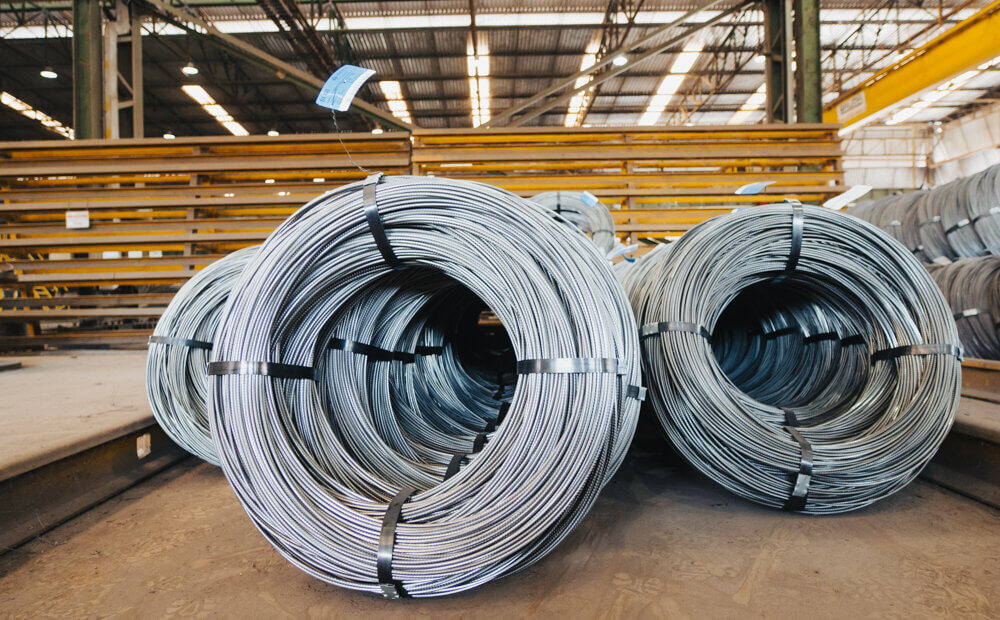
Continuous galvanizing is typically used for sheets, strips, and wires. The material goes through an industrial line before being transformed into roofing sheets, profiles, or components.
Therefore, two products labeled as galvanized may have different characteristics. The process, the coating mass, the layer thickness, and the final application all need to be considered.
Our content about What is galvanized steel and what are its applications? It provides further details about the material.
The specification also needs to differentiate galvanized steel from products that only receive paints with metallic pigments. Both can protect against corrosion, but they function in different ways.
The zinc coating offers more than one protective mechanism. The first is... barrier protection, which reduces direct contact between the steel and the environment.
When the coating remains intact, water and oxygen have greater difficulty reaching the base metal. Therefore, the oxidation process tends to progress more slowly.
The second mechanism is known as cathodic or sacrificial protection. Zinc has a greater tendency to oxidize than the iron present in steel.
Thus, when faced with a small exposed area, the surrounding zinc may corrode preferentially. This behavior helps protect the steel located near the damage.
Over time, the surface also develops zinc corrosion products. Under suitable conditions, these form a relatively stable layer known as zinc patina.
THE Hot-dip galvanizing manual from the Institute of Non-Ferrous Metals It explains the mechanisms of cathodic barrier and protection.
However, sacrificial protection has its limits. Wide cuts, extensive damage, or areas with removed coating can leave the steel vulnerable.
Furthermore, salts, chemicals, and prolonged periods of humidity can accelerate zinc consumption. Therefore, the environment needs to be factored into the material's specifications.
Galvanization should be understood as a protection system. Material, design of the piece, and exhibition work together. to determine the service life.
The main benefit of galvanized steel is the reduction of corrosion progression. This characteristic is advantageous for outdoor parts and components exposed to moisture.
However, the material can also offer advantages for manufacturing, installation, and maintenance. The result depends on the compatibility between the product and the project.
Among the most relevant benefits are:
Protection also helps preserve the component's cross-section. As corrosion progresses, the metal can lose thickness and performance.
However, galvanizing does not correct inadequate sizing. The material must meet the loads and standards defined by the responsible technician.
We also shouldn't choose the product based solely on appearance. Variations in brightness or tone can occur without indicating a loss of protection.
The content about Galvanized sheet metal: advantages and applications It helps to understand how the coating appears on flat products.
Galvanized steel can be used in structural, functional, and architectural applications. The choice depends on the product's shape, load, and exposure.
It is frequently used on parts that are exposed to rain, condensation, or occasional contact with water. It can also be used in indoor environments that require less frequent painting.
Galvanized roofing sheets are used in homes, warehouses, commercial buildings, industries, and support areas. The coating helps protect the sheet from atmospheric exposure.
Durability depends on the slope, drainage, and environment. Tiles that accumulate water or debris tend to suffer greater wear and tear.
Screws, washers, and accessories also need to be compatible. A good material can present problems when the fastening allows water infiltration or damages the coating.
Additionally, cuts made during installation need to be cleaned. Metal shavings left on the roof can oxidize and stain the surface.
Our guide on Types of metal roofing tiles and their applications. It helps to compare formats used in roofing.
Galvanized profiles can be used to form purlins, partitions, supports, and dry construction systems. The low weight of some solutions facilitates transport and assembly.
In these applications, the profile thickness must follow the design specifications. The coating protects the surface, but does not replace the necessary strength.
Drilling and cutting must adhere to technical specifications. Improvised alterations can reduce the component's capacity or remove protection over large areas.
Lightweight structures should also avoid points where water can retain. Closed profiles and joints between components need to allow for proper drainage or sealing.
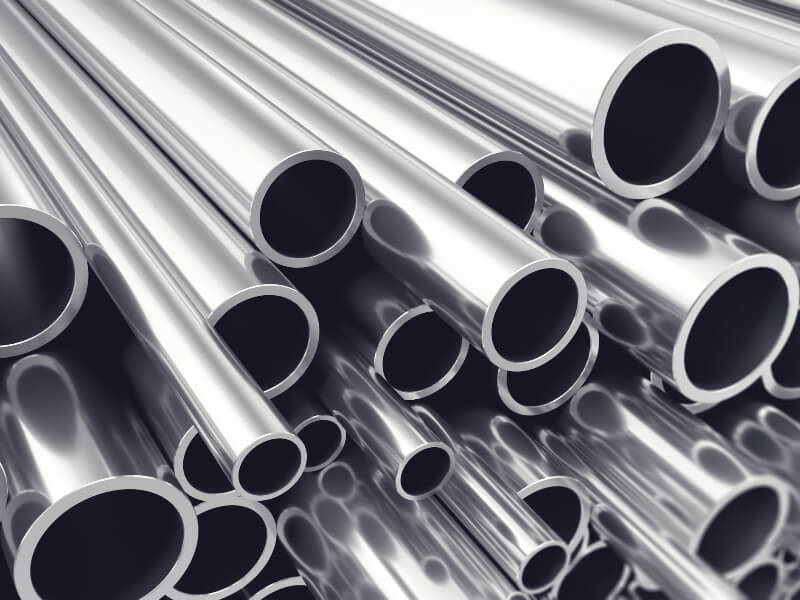
Galvanized pipes and metal profiles are used in gates, roofing, railings, supports, lightweight structures, and street furniture.
External protection is important, but the product's interior also deserves attention. Water trapped inside pipes can cause corrosion and hinder inspection.
Therefore, ends, holes, and sealing systems must be planned. In galvanized parts after manufacturing, ventilation and drainage points may also be necessary.
The article about characteristics and applications of metalon It presents possible uses for this product.
Fences, gates, and enclosures are exposed to rain, sun, and pollution. In these applications, coating reduces the need for frequent maintenance.
However, areas close to the ground deserve attention. Moisture, vegetation, and contact with chemicals can accelerate erosion.
The fastening should also avoid incompatible metal pairs. Otherwise, the presence of water can promote galvanic corrosion.
Trays, supports, equipment structures, and electrical system components can also utilize galvanized steel.
These items often have many cuts, holes, and folds. Therefore, the type of galvanization must match the manufacturing process.
When the part is shaped after coating, the coating must withstand the operation without showing excessive damage. However, subsequent galvanizing may require specific design considerations.
The durability of galvanized steel varies depending on the location. A component installed in a dry rural environment faces different conditions than one located near the sea.
THE atmospheric humidity It influences the length of time the surface remains wet. The longer this period, the greater the corrosive activity tends to be.
Rain can help remove some contaminants. However, areas protected from natural runoff can accumulate dust, salts, and pollutants.
In industrial regions, compounds present in the air can react with the coating. In coastal areas, chlorides carried by sea spray accelerate the consumption of zinc.
Temperature and ventilation also affect performance. Stuffy environments with condensation keep the surface moist for longer periods.
Therefore, the generic classification as "outdoor area" is not sufficient. We need to consider:
The article about How does steel corrosion occur? This complements that environmental assessment.
The designer may also consider a duplex system. This solution combines galvanizing and painting, depending on the protection and finishing needs.
The paint should not be applied without preparation. The system needs to be compatible with the galvanized surface and the environment.
Galvanized steel can be used in coastal regions, but its specifications require greater care. The chlorides present in sea air make the environment more aggressive.
Distance from the sea is not the only criterion. Winds, natural barriers, installation height, and washing frequency all alter the amount of salt deposited.
A component exposed to rain may receive some natural cleaning. On the other hand, covered areas may accumulate salts without being washed.
In these cases, the coating mass, design, and maintenance need to match the level of exposure. More critical projects may require additional protection.
The inspection should examine edges, fasteners, welds, and retention points. These areas often show signs of wear before the flat surfaces.
In addition, regular cleaning can remove salt deposits. The procedure needs to use methods compatible with the coating.
We do not recommend determining the lifespan based solely on generic estimates. The local exposure needs to be analyzed by the designer or specifier..
Stainless steel or other materials can also be considered. However, the choice should compare performance, cost, availability, and maintenance.
Therefore, galvanized steel remains a viable alternative in coastal areas. Its suitability depends on the severity of the environment and the specified protection requirements.
Cuts, holes, and welds can alter the coating. Therefore, these operations must be considered before manufacturing.
Small cut edges may receive some protection from the adjacent zinc. However, larger areas or extensive damage require treatment.
Welding directly affects the layer near the joint. The heat can remove or alter the coating, leaving the steel exposed.
Furthermore, welding galvanized parts produces fumes that require control. The service must be performed by qualified professionals, with adequate ventilation and safety measures.
After the operation, the area needs to be cleaned and repaired according to the system's specifications. Zinc-rich paints, metallization, or other methods may be used when accepted by the specification.
The procedure must comply with technical standards and the guidelines of the project manager. Applying any metallic paint without proper control does not guarantee the restoration of the protective coating.
Whenever possible, it's worth planning cuts and welds before galvanizing. However, parts galvanized after manufacturing need to have a geometry suitable for the process.
Welding residue, oils, and contaminants also compromise the result. Therefore, surface preparation is part of the final quality.
The page about galvanizing process It presents the steps used to prepare and coat steel.
The coating needs to be preserved before installation. Improper storage can cause stains and accelerate surface wear.
Newly produced galvanized parts should not remain wet and stacked without air circulation. This condition can promote the formation of whitish corrosion products.
This phenomenon is commonly called white corrosion. It occurs when the surface remains damp and lacks adequate ventilation.
To reduce this risk, the products should be stored in a dry place, supported and separated from the ground. The arrangement should also promote drainage.
During transport, straps and support points should not cause excessive abrasion. Impacts can damage edges and surfaces.
Sheets and tiles require extra care. The packaging needs to prevent water from entering, but it also shouldn't trap moisture for extended periods.
After receiving the items, the team should check:
Our content about good steel storage practices It includes guidelines applicable to receiving and organizing materials.
Storage doesn't need to be complex, but it must be planned. Leaving products directly on the ground or under tarps without ventilation increases the risks.
The choice should begin with the application. Tiles, pipes, profiles, and railings face different demands and environments.
Next, we need to identify the degree of exposure. A dry, indoor component may require different protection than an outdoor structure on the coast.
The manufacturing process also plays a role in the decision. Parts that will undergo cutting, bending, and welding after coating need to be compatible with these operations.
The thickness of the steel and the amount of zinc do not have the same function. The former influences strength and rigidity. The coating, on the other hand, contributes to corrosion protection.
Therefore, increasing the sheet thickness does not replace proper galvanizing. Similarly, a good coating does not correct an undersized profile.
Before purchasing, we recommend evaluating these criteria:
THE Aço Cearense product page It offers a variety of options for construction, metalwork, and industrial applications.
The order should specify dimensions, thickness, product type, and finish. Generic terms increase the risk of receiving a solution different from what was expected.
When in doubt, the specification must be returned to the designer or responsible professional. The supplier should not alter the structural solution on their own.
The lowest initial price doesn't always represent the lowest cost. The analysis needs to include maintenance, access, downtime, and replacements.
A tall structure may require platforms, equipment, and area isolation before painting. These costs can exceed the initial difference in material prices.
In commercial or industrial settings, maintenance can also interrupt operations. Therefore, the cost of downtime needs to be factored into the calculation.
Galvanized steel tends to be advantageous when the protection it provides reduces maintenance issues during its lifespan. However, this benefit depends on proper specification.
The comparison should consider the same analysis period. Evaluating only the initial purchase favors solutions that may require early maintenance.
We also need to include inspections. Even durable systems should be monitored, especially at edges, connections, and aggressive areas.
Another factor is the possibility of repair. Localized damage can be treated without replacing the entire part, provided the repair follows the proper procedure.
Thus, the life cycle cost It helps to compare alternatives more accurately. It relates initial investment to expected performance.
This approach is especially relevant for roofs, railings, industrial structures, and components that are difficult to access.
Galvanized steel in civil construction can be used for roofing, profiles, pipes, railings, and light structures. However, its durability depends on the environment, manufacturing process, and maintenance.
At Aço Cearense Comercial, we offer steel products for construction, metalworking, industries, and structural projects.
Discover our options and Download the Aço Cearense catalog. to identify products that are compatible with your project specifications.
Not always. Galvanized surfaces can lose their shine and acquire a matte finish as the zinc patina forms. The assessment should also look for corrosion, peeling, and exposure of the steel.
The terms can be used broadly, but there are different processes for applying zinc. Hot-dip galvanizing, continuous galvanizing, and electroplating produce coatings with distinct characteristics.
Yes, provided the surface is prepared and the paint is compatible with zinc. Contaminants, passivation products, and lack of adhesion need to be considered.
The compatibility of the fastener needs to be verified. Inadequate screws may corrode before reaching the structure or create electrochemical differences in the assembly.
Supplier documentation, product specifications, and inspections help confirm the coating. In critical projects, measurements and acceptance criteria may also be required.
Yes. Damaged areas can be repaired using methods that are compatible with and accepted by the specification. The procedure depends on the size of the damage and the exposure conditions.