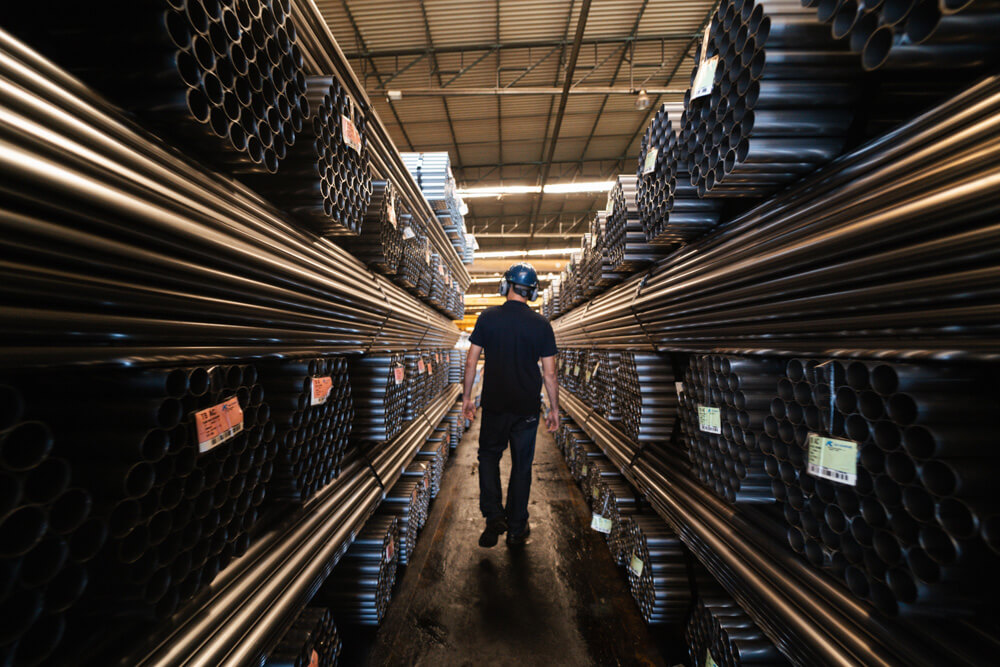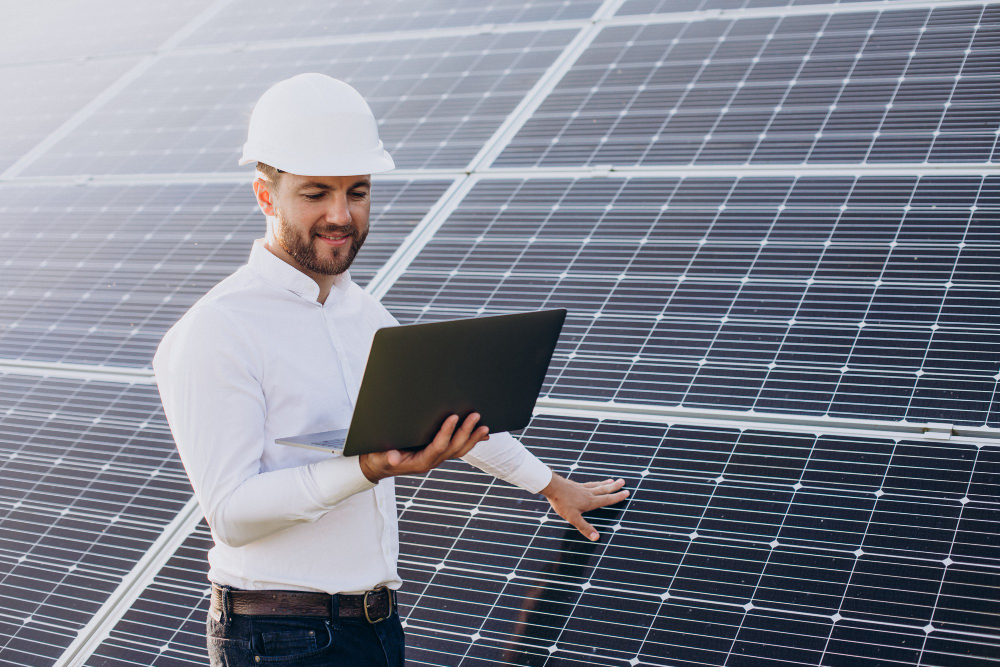
Steel, a central element in many support structures, has gained prominence in solutions for photovoltaic energy generation systems.
Throughout our experience serving the B2B sector of civil and industrial construction, we have realized that the correct choice of materials is crucial for the longevity, safety, and success of renewable projects, especially in the North and Northeast of Brazil, where sustainable demand is constantly growing.
In this article, we will show how. Steel plays a strategic role in solar energy projects., addressing the advantages, limitations, practical examples, and current trends of this expanding segment.
Brazil has stood out globally for its progress in adopting clean energy sources. The use of solar radiation has gained momentum, especially in the sunniest regions, such as Ceará, Pará, and Tocantins, areas where we have a significant presence through our e-commerce platform.
In our view, this movement is aligned with the pursuit of sustainability, reduced energy costs, and operational autonomy. But where does steel fit into all of this?
The structure makes all the difference. Either it keeps the system solid for decades, or it becomes a constant source of problems. To ensure confidence in these projects, Steel has been a central element in assemblies, whether in industrial or commercial facilities, or in large-scale power plants.
Structures for solar panels require adequate support., capable of supporting the weight of the modules, withstanding wind, rain and intense temperature variations.. For decades, steel has fulfilled this role well. Among the factors that make the material the best choice, we highlight:
Based on our track record of supplying materials for projects of varying scales, these four points are rarely surpassed by other materials.
Before choosing a particular profile or alloy, it is essential to assess the location, the size of the project, and the potential aggressive agents present in the environment. The type of steel strongly influences its resistance to corrosion and wear. Among the main options for this niche, we highlight:
By better understanding the characteristics of each type of steel, we can develop solutions aligned with the client's needs, avoiding waste and future rework.
In our projects, we have witnessed the flexibility of steel in different situations. We can cite four common scenarios:
Large above-ground power plants, known for generating energy on a large scale, require pillars and gantries to support long rows of panels. Galvanized steel with extensive corrosion protection. It is usually the trusted material for foundations and primary columns.
In some public and private sector plants in Northern Brazil, we supply mixed structures that combine steel and concrete at strategic points. This balances structural performance and resource efficiency.
In industrial settings or logistics warehouses, installation on roofs requires the structure to adapt to the unevenness and slopes of the roof.
Lightweight structural steel profiles, such as the so-called "Z" or "U" profiles, are customized for each project, preserving the watertightness and integrity of the roof over time.
Supermarkets, shopping malls, clinics, schools, and commercial buildings have been using steel in various forms: whether to fix panels to exposed slabs or to assemble dual-function roof structures that, in addition to generating energy, serve as shelter for vehicles in parking lots.
THE galvanized steel Stainless steel and other materials are favorites for this type of application, along with screws and brackets specifically designed for the solar segment.
Some Trends involve quick-fit structures., Made of steel, these modular units accelerate the implementation of small and medium-sized plants. Their modularity simplifies transportation and allows for future expansion with minimal impact.
This concept of industrialized assembly, already widely adopted in civil construction, has also been seen in the world of alternative energies, as we discussed when addressing modular steel construction.
Steel allows for innovation, speed, and consistent quality in construction projects.
Choosing metric structures for solar systems can bring a number of benefits, ranging from safety to sustainability. Learn more!
When it comes to solar energy production, structural safety needs to be a given. Steel delivers high mechanical performance, hardly comparable to other materials in terms of absorbing dynamic loads (wind, vibration, and panel weight).
When the project is designed considering appropriate loads and moments, combining the right steel profile with corrosion protection, the system tends to operate for decades without the need for significant structural replacements.
Metal profiles are lightweight, easy to transport, and can be cut or adjusted on-site, reducing the overall project time. Specialized teams can complete large sections in just a few days, minimizing disruption to the client's operations.
Steel is, by nature, a 100% recyclable material. This aligns with the concept of renewable energy, as at the end of its useful life it returns to the production cycle, promoting a circular economy.
In our operations, we prioritize suppliers who comply with environmental practices, utilizing waste materials and promoting their proper disposal. Environmental respect, from the factory to final recycling.
The use of metal allows for detailed structures, making better use of space, slopes, and solar orientation of the land or roof. Customized systems enhance the performance of the panels, maximizing energy return.
A variety of profiles, gauges, lengths, and finishes generate suitable solutions for each situation.
Despite the many advantages, there are areas of concern that need to be managed seriously to ensure the longevity of the structure.
The main risk when exposing steel to the elements is the corrosive process, which can subtly compromise its technical performance over the years. Factors such as proximity to the sea, industrial pollutants, rainfall intensity, and high levels of air conditioning increase the chance of oxidation.
Therefore, investing in galvanized steel, stainless steel, or specific paints is essential, especially at welding points and mounting bases, where water can accumulate.
Regarding the differences between the steels most resistant to these environments, we present a detailed overview in the article "Structural Steel: Check out the types and their characteristics.".
Power plants and roofs are subject to strong winds, hailstorms, and large temperature variations that affect the expansion and contraction of steel. Properly sizing each profile, considering high-performance fasteners, and anticipating expansion points is essential to avoid structural failures.
In some cities in the interior of Ceará, we have seen systems stop operating due to disturbances caused by seasonal winds, due to undersized support structures.
Well-executed projects reduce the need for constant technical visits. However, we recommend visual inspection of structures, especially in coastal and industrial environments, looking for signs of rust, loose screws, and any misalignments. Inspect early, fix quickly, extend service life.
Larger projects may require long and heavy profiles, demanding dedicated logistics for delivery and assembly. Investing in prefabricated modules and demountable systems It has been a frequent way out of this impasse.
We closely monitor the evolution of the industrial chain linked to clean energy. Each year, we invest in processes, materials, and technologies that make metal structures more efficient for sectors such as civil construction, industry, and solar systems.
In addition to supplying steel and metalons Certified by leading integrators, we also support environmental practices, from eucalyptus plantations to social initiatives that foster a sustainable future.
As a leading local supplier, we are frequently consulted about steel applications in innovative systems. We are committed to sharing our knowledge and helping each client make the right choices.
Variables such as size, location, type of mounting, weight of the modules, exposure to the elements, and ease of maintenance should be considered from the initial planning stages. In our consultations, we always evaluate:
The careful selection of profiles and finishes is crucial to transforming the investment in clean energy into a long-term, safe, and sustainable endeavor.
Innovation in photovoltaic system structures goes hand in hand with ecological demands and cost reduction. Here are some trends we are closely following:
These developments show that steel remains a key player, but is always open to innovations that create value for companies, investors, and the planet itself. The best project is the one that adapts to the future.
In our work in the steel industry, we see firsthand the positive impact of steel on clean energy generation systems. Well-designed structures increase reliability, extend the lifespan of equipment, and connect the customer to sustainability.
The success of solar energy projects is closely linked to the quality of the steel used, surface treatments, and technical expertise from design to execution.
Our mission at Grupo Aço Cearense is to provide materials, but also information that leads to the best choice for companies and projects of all sizes that are betting on a renewable energy future. Count on us to move forward safely, innovatively, and with environmental respect at every stage of your solar project.
Did you enjoy this content? Take the opportunity to learn more about us in the article "The steel industry in Brazil: innovation and sustainability with the companies of the Aço Cearense Group".“
Steel offers stability, a long lifespan, easy maintenance, and flexibility for different types of installations. Because it can withstand high loads, resist environmental impacts, and is recyclable, it is widely chosen for industrial, commercial, and residential solar projects.
Steel's resistance to corrosion depends on its treatment and composition. Galvanized or stainless steel models, with protective coatings and appropriate paint, have high durability even in aggressive environments. Regular inspections and preventive maintenance help preserve their integrity over time.
Among the main challenges are constant exposure to harsh weather and environments, the risk of corrosion, temperature variations, and proper sizing to withstand wind forces and the weight of the panels. A good design includes corrosion protection, reinforced fastening, and frequent inspection to ensure structural performance.
Yes. Steel is recommended due to its balance between initial cost and durability, as well as its adaptability to different projects and needs. Its recyclability and reuse potential further add sustainable value.
We offer various options in galvanized and stainless steel, as well as custom-made structures for solar systems. Count on Grupo Aço Cearense for guidance, technical solutions, and the acquisition of structures suited to each type of photovoltaic project.