In industrial and wholesale settings, proper storage of metal pipes makes all the difference in operational results and material preservation.
Here at Grupo Aço Cearense, we deal daily with a huge variety of steel products and we know how much organization, care, and inventory logistics impact the integrity of the pipes and the safety of the teams.
If we want to avoid financial losses and guarantee the quality of materials until their final use, each step of this process needs to be rigorously planned. Today, we share with you our experience and lessons learned about storing large quantities of metal pipes. Follow along!
Before we talk about best practices in storage, we need to understand what makes each type of pipe different. Pipes for civil construction, metal structures, or metalwork projects have varying dimensions, weights, thicknesses, and even surface treatments (such as galvanizing or painting).
These differences require careful attention when organizing inventory. Crushed, rusted, or mixed pipes can compromise an entire project and generate considerable losses. Therefore, an...Clear identification of each batch is part of prevention..
Stacking is the first challenge when receiving large volumes. Stacking beyond the recommended level can cause deformations and accidents. On the other hand, careless stacking hinders circulation and increases the chance of collisions when moving stock.
Improper stacking can turn the warehouse into a hazardous environment for everyone. In our experience, Using identification labels on each holder makes all the difference, especially when there are tubes of similar sizes side by side..
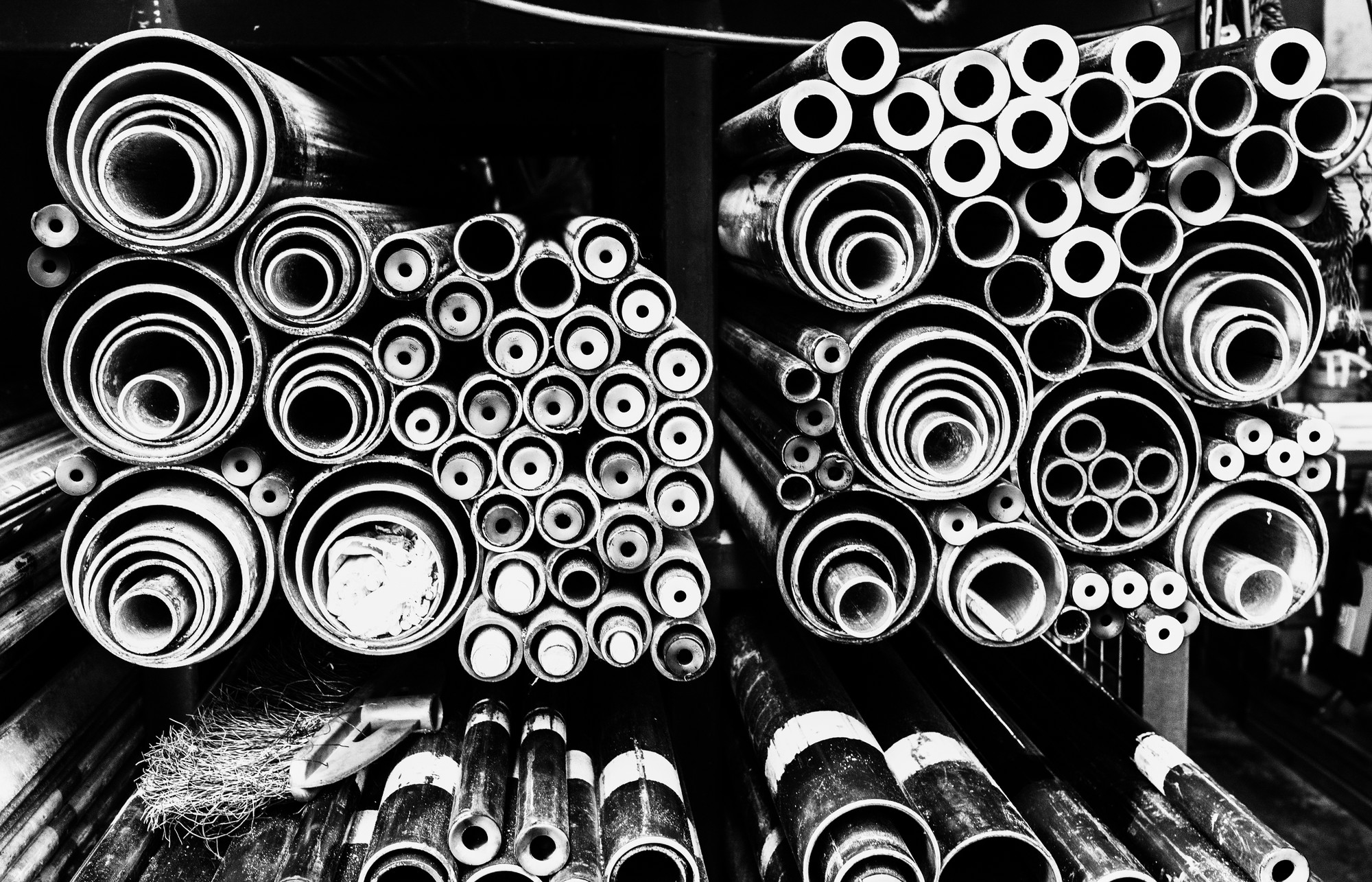
Organizing pipes by gauge, thickness, and finish simplifies operations and reduces the risk of errors in order picking. Separation prevents thinner pipes from being crushed by heavier ones and facilitates selection in stock, especially when working with mixed orders.
Here's a crucial tip: Never mix carbon steel pipes with stainless steel or galvanized pipes.. The difference in treatments can generate unwanted reactions, in addition to making it difficult to trace batches and quality standards.
If there's a silent villain in metal pipe storage, it's certainly the humidity. It creates ideal conditions for oxidation, stains the pipes, affects welds, and can render entire parts unusable.
These measures, combined with a regular inspection routine, are part of the recommended best practices.
In addition to humidity control, air circulation is essential. Stuffy warehouses promote condensation, accelerating corrosion. Windows, exhaust fans or mechanized ventilation systems However, the larger the volume of pipes, the more care must be taken to avoid hot spots or stagnant air.
If there is a temperature variation between the indoor and outdoor environment, pay attention to the formation of dew spots, especially during the early hours of the day.
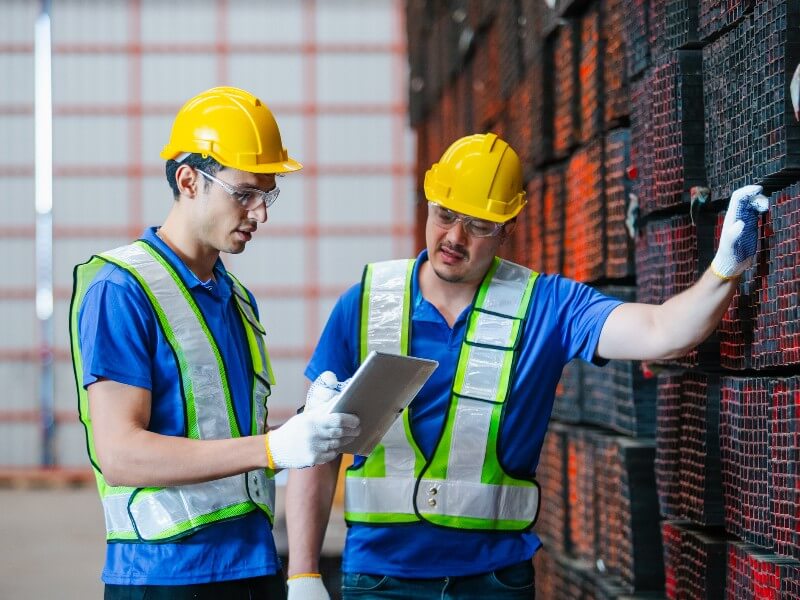
Moving metal pipes requires attention, training, and appropriate equipment. Forklifts or overhead cranes are commonly used, but their operators need to be familiar with the specific characteristics of the material being transported.
Training teams and establishing equipment inspection routines is part of the process that minimizes the chances of accidents and protects assets. An organized warehouse, combined with clearly marked corridors, minimizes risks and optimizes productivity.
When we follow best practices, we reap the rewards throughout the entire chain:
In our daily work, we always adopt the best policies to guarantee this security, and we share complementary recommendations in our article on inventory indicators. We know that a well-managed inventory... protects the company against disruptions, waste and delays.
More than just storing, managing tubes for sale in large volumes requires precise monitoring of the entry, exit, and status of each batch. Computerized controls, spreadsheets, and standardized processes They are part of this continuous monitoring – preventing disruptions and losses, and facilitating audits.
The importance of efficient management is one of the central themes here. Operational success depends on the sum of small daily choices. combined with a commitment to industrial quality.
We also explain how to act to avoid product shortages in operations. Each precaution described above contributes to the smooth functioning of the production cycle.
As you can see, proper storage of metal pipes, as we apply daily at Grupo Aço Cearense, combines organization, correct use of supports, controlled climate, separation by technical characteristics, and careful handling.
With these practices, in addition to preserving the products, you also ensure the safety and financial control, as well as the integrity of the work areas.
If you enjoyed this content, it's worth investing some time deepening your knowledge in inventory management. Check out the article we've selected for you: FIFO: understand the method and its benefits for inventory management
Ideally, separate the pipes by gauge, length, thickness, and type of finish. Use racks or supports that facilitate visualization and avoid stacking without organizers. Labels or identification tags speed up the selection and control of available batches.
Stack items according to safety standards, use appropriate supports, and never transport beyond the forklift's capacity or the rack's limit. Mark aisles and train the team on correct handling procedures and the mandatory use of PPE (Personal Protective Equipment).
To meet high-volume demands, we suggest seeking out leading suppliers in the segment, such as Grupo Aço Cearense, which offers steel options for civil construction, metalworking, industry, and various other sectors, with secure delivery to the North and Northeast regions.
Safe stacking requires the use of supports or metal structures to prevent the tubes from shifting or rolling. Never exceed the heights suggested by technical standards and always maintain space for circulation around the stacks.
Yes, despite having a protective layer against corrosion, galvanized pipes can develop rust spots if exposed to excessive moisture, stagnant water, or poor ventilation. Proper storage environment is crucial for extending their lifespan.