Choosing the right type of steel in civil construction It's not just a catalog decision; it's a factor that directly impacts the safety, durability, and performance of any construction project. Anyone who has closely followed a project knows: deciding whether the structure will be made of carbon steel, stainless steel, or galvanized steel can make all the difference in the final cost, maintenance over the years, and resistance to usage conditions.
The problem is that, faced with so many options and technical specifications, the question often arises: in what situation is it worthwhile to use carbon steel? When is stainless steel more suitable? And in what scenarios does galvanized steel offer the best cost-benefit ratio? Without a good basis for comparison, the choice can become risky or simply more expensive than it should be.
In this article, you will understand, in a practical way, the main differences between carbon steel, stainless steel, and galvanized steel, considering composition, mechanical resistance, durability, corrosion protection, cost, and typical applications. Throughout the content, we will relate these aspects to the operational scenario of the Aço Cearense Group and provide references to studies and technical publications in the sector, so that you can make safer, more technical decisions aligned with the needs of your project.
The mechanical behavior, durability, and strength of each type of steel derive from its chemical composition and the treatments it undergoes throughout the industrial process.
The chemistry of materials isn't just theoretical – it defines the performance and lifecycle of products in real-world environments. Therefore, consciously choosing the right type of steel avoids extra costs in the future.
Carbon steel is basically composed of iron and varying amounts of carbon, typically ranging from about 0.04% to 2%. This variation seems small, but it completely changes the material's behavior.
At lower carbon contents, steel tends to be more ductile and easier to form, ideal for profiles, sheets, and bars used in structures, beams, and columns.
At higher concentrations, it gains hardness and tensile strength, but loses some malleability, making it suitable for parts that require greater mechanical strength and less deformation.
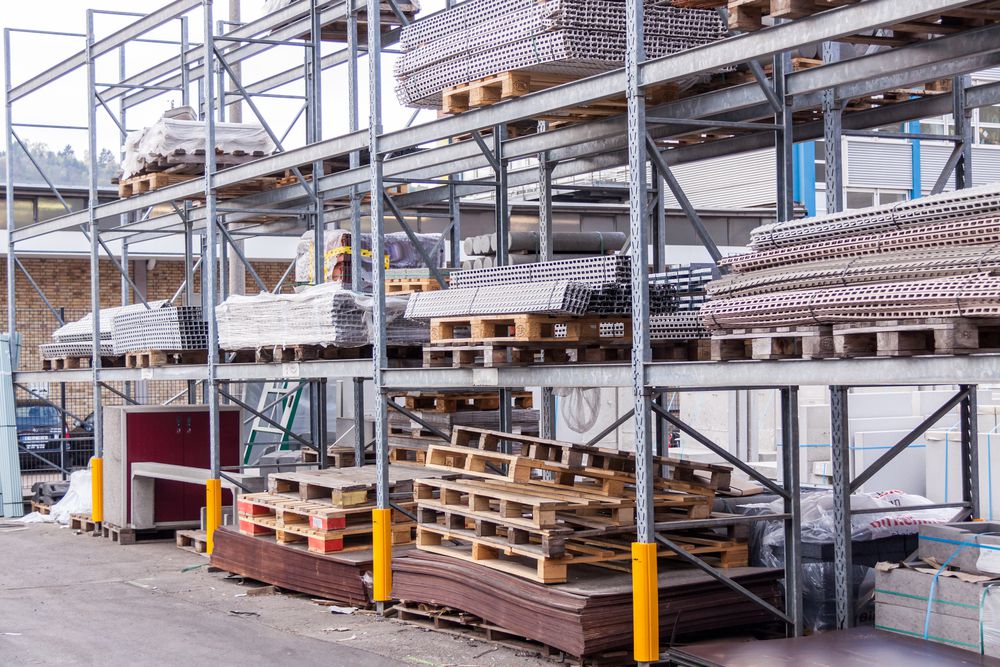
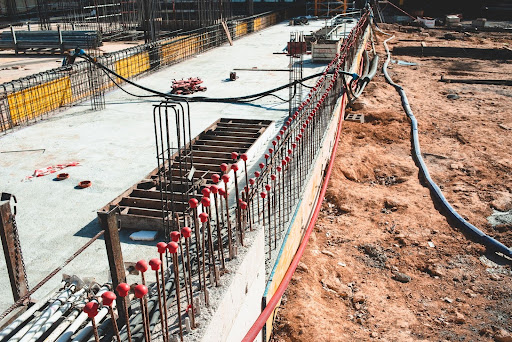
In civil construction, carbon steel is the most commonly used material for concrete reinforcement, structural profiles, trusses, round bars, and plates. It is suitable for indoor or outdoor environments with moderate exposure, provided it receives adequate protection, such as painting, coatings, or galvanizing when necessary. In terms of cost, it is usually the most economical option, making it the basis of most structural projects.
The famous stainless steel, in addition to iron and carbon, contains at least 10,5% of chromium, an element that reacts with oxygen in the air and forms a passive layer on the surface of the metal. This film is extremely thin, but it protects the material against oxidation and, if damaged, tends to regenerate in contact with oxygen.
Depending on the stainless steel family, nickel, molybdenum, titanium, and other elements can be added, adjusting characteristics such as corrosion resistance, weldability, hardness, and behavior at high temperatures.
In practice, stainless steel is suitable for harsh environments with high humidity, contact with water, chemicals, or contaminated atmospheres, such as food, chemical, and pharmaceutical industries, industrial kitchens, facades exposed to sea air, and structures in coastal areas. Although it has a higher initial cost than carbon steel, its durability and lower maintenance requirements justify its use in situations where appearance, hygiene, and corrosion resistance are critical factors.
Galvanized steel
Galvanized steel, on the other hand, is carbon steel that receives a zinc coating, usually through hot-dip galvanizing, forming a layer that protects the metallic substrate against corrosion.
Zinc reacts with oxygen and carbon dioxide in the environment, creating a barrier of zinc oxides and carbonates that hinders the action of moisture and corrosive agents. Furthermore, zinc offers cathodic protection, acting as a "sacrificial shield" for the steel in case of any localized damage to the coating.
By combining the mechanical properties of carbon steel with extra protection against corrosion, galvanized steel is widely used in roofing, gutters, ducts, power towers, railings, structures exposed to the elements, general metalwork, and fastening systems.
It is especially suitable for outdoor environments and installations subject to rain, temperature variations, and moderate pollution. Compared to stainless steel, it usually has a lower cost, making it an excellent alternative when seeking good anti-corrosion performance with a more affordable investment.
Construction and industrial projects require clear criteria when choosing between carbon steel, stainless steel, and galvanized steel. Among the main variables, three factors are decisive: mechanical strength, durability, and cost over the lifespan of the structure.
Mechanical resistance
Carbon steel exhibits excellent tensile and compressive strength and, therefore, is the basis of most metal structures and concrete reinforcement. Variations in carbon content allow for adjusting the balance between strength and ductility, and the addition of microelements, such as niobium cited in research from the State University of Maringá, can further increase its structural capacity and grain refinement.
Stainless steel also has good mechanical strength, but it is usually chosen primarily for its corrosion resistance and for hygiene and appearance requirements. Galvanized steel, on the other hand, inherits the strength of the carbon steel beneath the zinc layer, maintaining good structural performance as long as the metal section is suitable for the project.
Durability
When it comes to lifespan in harsh environments, stainless steel stands out. The chromium in its composition forms a passive layer that protects against oxidation and many forms of corrosion, making it ideal for areas with high humidity, contact with water, chemical agents, or sea air.
Galvanized steel, in turn, is carbon steel protected by a layer of zinc that acts as a barrier and cathodic protection. It performs very well in low to medium aggressiveness outdoor environments, but this protection tends to wear down over time, especially in highly corrosive atmospheres or under the action of mechanical abrasion.
Carbon steel without surface protection is the most susceptible to corrosion and requires additional painting, coating, or treatments to achieve good durability, especially in outdoor or humid environments.
Cost-benefit
In terms of initial price, untreated carbon steel is generally the most affordable and competitive option, which explains its widespread use in structural and industrial projects. However, it is important to consider the costs of protection and maintenance over time.
Stainless steel has a higher acquisition cost, but it offers very high durability and low maintenance needs, which can generate savings over the structure's life cycle, especially in harsh environments.
Galvanized steel occupies an intermediate position. It is more expensive than common carbon steel, but cheaper than stainless steel, delivering consistent corrosion protection with a moderate investment, making it a very attractive choice for structures exposed to the elements that require good performance and cost control.
Ultimately, the decision on which type of steel to use in construction depends not only on these three factors. It is essential to consider the exposure environment, the type of use of the structure, ease of maintenance, regulatory requirements, and the available budget, always seeking the best balance between technical performance and economic viability.
The most expensive material isn't always the most suitable. The key is to align the properties of each type of steel with the actual needs of the project, considering the exposure environment, structural stress, maintenance, and cost throughout the building's lifespan.
Structures and frameworks in general
In the day-to-day work of civil construction, carbon steel is the main protagonist in structures and reinforcements. Its high mechanical resistance, good weldability, and versatility allow its use in beams, columns, trusses, composite slabs, deep foundations, and reinforced concrete structures. It is present in industrial warehouses, commercial buildings, prefabricated housing, logistics centers, and skyscrapers.
In projects that require standardization and repetition of elements, such as modular metal structures, carbon steel offers an excellent balance between structural performance and cost. With correct dimensioning and adequate surface protection, it guarantees safety, stability, and a lifespan compatible with the regulatory requirements of the construction industry.
Humid, coastal, or industrial environments
When the structure will be exposed to sea air, constant humidity, or aggressive chemical atmospheres, stainless steel is usually the safest choice. Its high corrosion resistance reduces the need for frequent repainting and corrective interventions, which is essential in exposed facades, metal walkways, stairs, panoramic elevators, guardrails, and support structures in industrial areas.
Furthermore, stainless steel is widely used in applications where hygiene and ease of cleaning are essential, such as in the food and pharmaceutical industries, hospitals, and industrial kitchens. The combination of modern appearance, low roughness, and resistance to oxidation makes it ideal for projects that combine technical performance, aesthetics, and low maintenance, even with a higher initial investment.
Roofs, pipes, handrails and elements exposed to the elements.
Galvanized steel excels in outdoor applications requiring enhanced corrosion protection, but with a more controlled budget. The zinc coating applied to the carbon steel creates a barrier against moisture and atmospheric agents, making it very common in roofing tiles, gutters, flashing, purlins, roof structures, conduit pipes, posts, fences, and handrails.
In urban and industrial infrastructure projects, galvanized steel offers an excellent compromise between cost and performance, guaranteeing adequate mechanical resistance combined with extended service life in outdoor environments. Therefore, it is widely chosen for insulated roofing, drainage systems, lightweight metal structures, and metalwork components that will be exposed to the elements, without requiring the level of investment required for stainless steel.
Below is a technical summary comparing the characteristics of each material and suggesting their most suitable applications.
Carbon steel
Stainless steel
Galvanized steel
In addition to the criteria already discussed, it is worth considering other technical points when deciding which steel to use:
The technical team at Grupo Aço Cearense, specializing in B2B solutions for the North and Northeast regions of Brazil, also advises partners on these variables in industrial and infrastructure projects.
See practical application examples, considering the material's optimal performance:
You can learn more about the applications in detail in the content from Grupo Aço Cearense about carbon steel, the advantages of stainless steel, and the main applications of galvanized steel.
Decisions about which type of steel to use must also consider the future of the structure: repairs, changes in use, weather effects, and even acts of vandalism. Poorly specified steel can lead to high reinforcement costs, increasing operational risks and reducing the lifespan of structures.
Choosing the right material is a practical way to enhance the value of the project and reduce losses of energy, time, and resources. Opting for the steel that best fits the project's requirements is one of the smartest decisions on a construction site.
Carbon steel forms the base of supporting structures. Stainless steel excels where corrosion cannot be tolerated. Galvanized steel protects external surfaces, providing a stable life cycle at controlled costs.
Considering cost, maintenance, and environmental exposure avoids rework and ensures a return on investment.
Aço Cearense specializes in producing steel materials for civil construction, as well as structural and metalwork materials. Check out our catalog and... Get a quote today!!
The main types of steel used in construction are carbon steel, stainless steel, and galvanized steel. Carbon steel is chosen for its structural strength and low cost; stainless steel stands out for its durability and corrosion protection; galvanized steel, due to its protective zinc coating, is widely used in outdoor environments. There are other specific variations, but these three are the most common and versatile.
Galvanized steel is primarily used in building parts exposed to moisture and corrosive agents. Roofing tiles, gutters, pipes, fences, and railings are classic examples, as the zinc coating offers extra resistance to rust. It reduces maintenance costs and increases the longevity of metal elements installed outdoors.
The use of stainless steel is recommended when exposure to weather and corrosive agents is high, such as in facades, coastal environments, hospitals, industrial kitchens, and places with heavy pedestrian traffic. In addition to its corrosion resistance, stainless steel is also appealing due to its aesthetic finish and ease of cleaning, making it perfect for situations that demand high hygiene standards.
Yes, carbon steel is usually more affordable compared to stainless steel. Despite the lower initial cost, potential maintenance costs must be considered, as carbon steel requires protective paints and frequent inspections. Stainless steel may require a larger initial investment, but it compensates with its durability and low maintenance.
The choice depends on the environment, type of structural requirement, and project budget. For dry, indoor environments, carbon steel is a good option with adequate protection. In humid or outdoor environments, galvanized steel offers a balance between cost and protection. When corrosion cannot be tolerated – or the project demands a distinctive aesthetic – stainless steel is the most durable solution. Consulting a specialist, such as the technical team at Grupo Aço Cearense, ensures the right decision for the specific scenario of the project.
 EN
EN  PT_BR
PT_BR