Premium metal finishes are worth the investment when the surface contributes to the overall appearance, user experience, or value of the project. In these cases, uniformity, texture, shine, and quality of workmanship cease to be mere details.
The choice can also influence cleaning, maintenance, and preservation. However, a sophisticated finish does not correct errors in specification, manufacturing, or installation.
Therefore, we need to evaluate the material, the environment, and the expected outcome together. This analysis helps to balance aesthetics, performance, and cost over the course of use.
A premium finish offers consistent visual quality that complements the architectural design. The surface should maintain a consistent gloss, color, texture, and direction throughout the application.
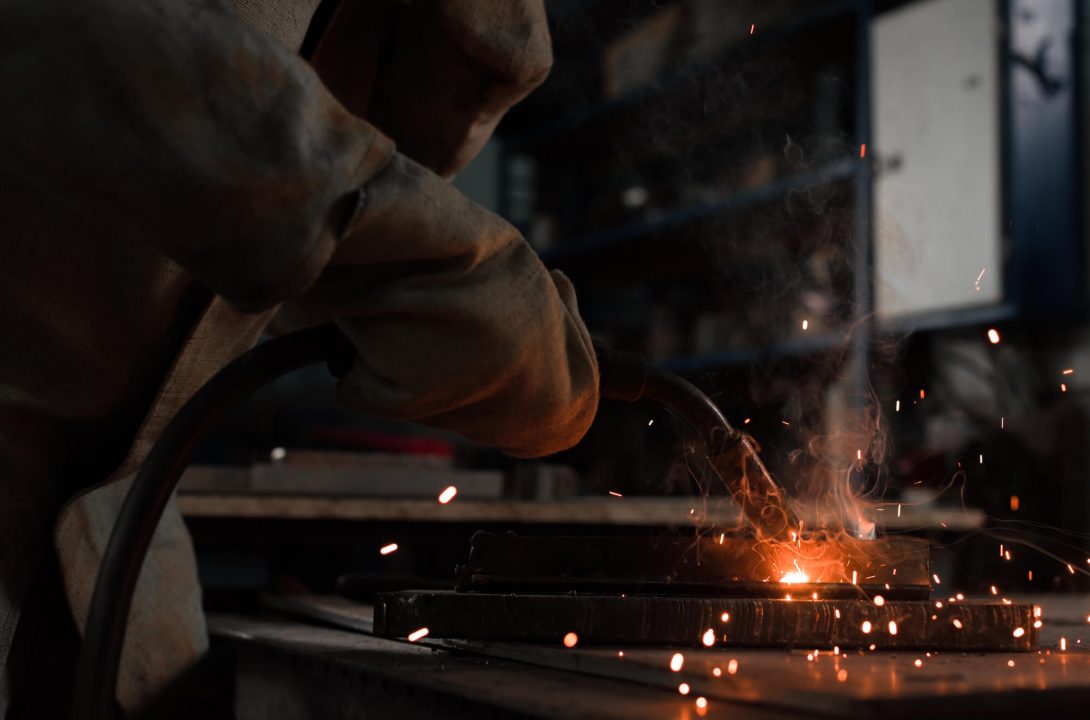
Therefore, it's not enough to choose a metal with a sophisticated appearance. Cutting, bending, welding, fastening, and installation also need to preserve the final result.
A facade with misaligned panels, for example, loses visual value even when using good materials. Similarly, exposed welds and scratches can compromise a commercial counter.
The definition of a premium finish varies depending on the application. A mirrored surface might work as a decorative detail, but it may not be suitable for an area with constant contact.
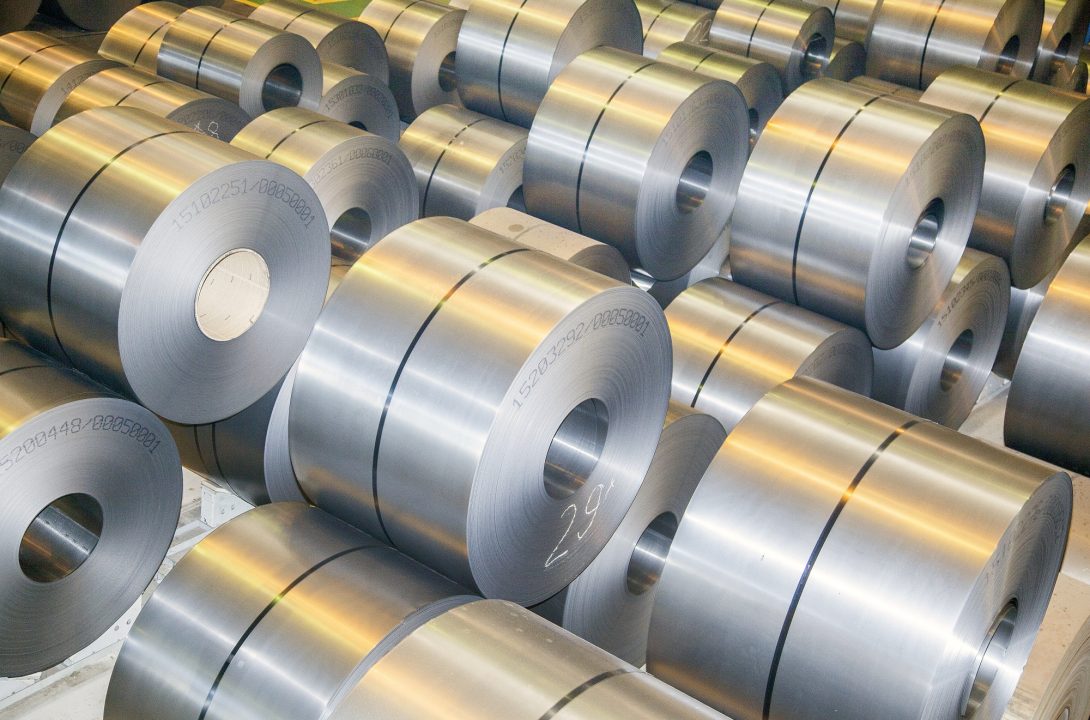
Among the finishes available for metallic materials, we can consider matte, brushed, polished, textured, and coated options. There are also colored solutions and patterns developed for specific projects.
In the case of stainless steel, the brushed finish features directional lines and less shine. Therefore, it is commonly found in interiors, equipment, handrails, elevators, and commercial settings.
A polished finish creates greater reflection. It can provide visual emphasis, but it tends to show contact marks and scratches more easily.
The content about main types of steel finishes It helps to understand how each option relates to different uses.
In addition to appearance, the finish needs to be uniform. Differences between batches, pieces, and brushing directions may become evident after installation.
Therefore, planning should begin before the purchase. Samples, prototypes, and reference panels help align expectations between the client, architect, supplier, and installer.
We also need to consider surface protection. In some materials, the coating helps preserve the metal against external agents. In other cases, the finish has a predominantly aesthetic function.
These two functions should not be confused. A glossy surface is not necessarily more durable. Similarly, a matte finish can offer good preservation when the material has been correctly specified.
The finish gains importance when the metal remains visible and is part of the overall design of the space. Facades, reception areas, shops, and restaurants are frequent examples.
In these spaces, the material helps to build the visual identity. Therefore, texture, color, and shine influence the perception of quality.
In a store, metal can appear in displays, counters, panels, and furniture details. In a restaurant, it can be integrated into facades, service areas, and open kitchens.
The same is true in corporate buildings. Handrails, wall coverings, elevators, and partitions are all part of the experience for those using the space.
In these situations, a premium finish can contribute to:
The investment can also make sense when future replacement would be complex. Panels installed at great heights or in areas that require operational interruption deserve additional attention.
In this case, we don't just evaluate the purchase price. Removal, installation, transportation, and the impact on the space's operation are also factored into the calculation.
On the other hand, there are applications where the finish has little influence. A piece hidden within a structure may not require the same standard as a facade.
Directing the budget towards visible areas avoids spending without a noticeable return. Furthermore, it allows for a simpler solution where structural function is a priority.
THE Industrial decor with metallic elements It shows how steel can serve an aesthetic function, in addition to its technical one.
The difference isn't just in the price. It involves the quality of the raw materials, the consistency of the finish, the precision of the manufacturing, and the care taken during installation.
A basic solution may perfectly suit technical or less visible areas. However, it may not deliver the uniformity needed for a high-end environment.
Premium solutions, on the other hand, need to maintain consistency between components. Furthermore, they must offer a finish suitable for folds, edges, seams, and fastenings.
The comparison should consider four main aspects.
The first is the initial appearance. Premium materials often receive greater control over color, shine, and texture. In this way, the overall result presents fewer visual variations.
The second aspect is preservation. Well-chosen surfaces can make it easier to remove marks and residue. However, this does not mean that maintenance is not necessary.
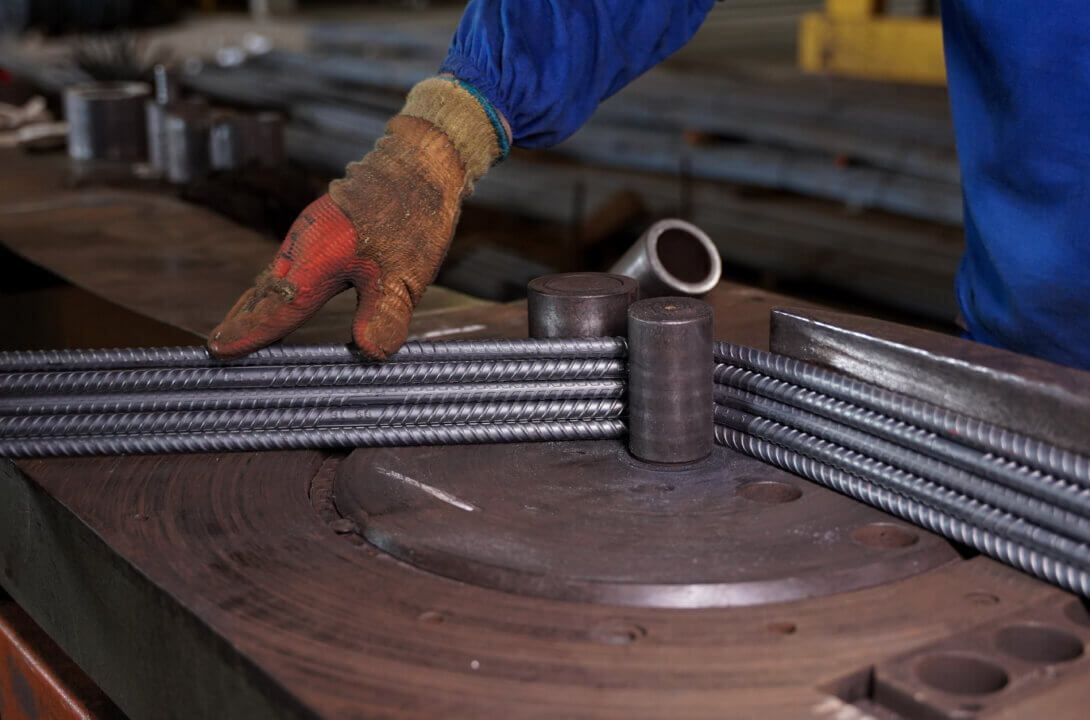
The third point is manufacturing. Imprecise folds, excessive welding, and poorly finished cuts reduce the visual value. Therefore, the workmanship directly impacts the final result.
Finally, we need to assess the installation. Exposed fasteners can be part of the design language, provided they were planned for. Otherwise, they can create an improvised appearance.
Premium finishes don't eliminate the risks of wear and tear. High-traffic areas are subject to impacts, friction, and constant contact. Therefore, the design should choose textures compatible with this routine.
THE brushed stainless steel, For example, it tends to disguise small marks better than highly reflective surfaces. Even so, cleaning needs to follow the direction of the brushing.
Conversely, a mirrored finish can serve as a highlight in areas with less contact. The reflection creates a striking visual effect, but requires more careful maintenance.
Another difference appears in replacement parts. A standardized solution can facilitate the replacement of parts. A unique finish, on the other hand, requires planning to maintain samples and records.
Therefore, we should document specifications such as shade, texture, thickness, and supplier. This information helps preserve the standard in future enlargements.
A premium solution, therefore, doesn't always mean choosing the shiniest or most expensive finish. It means selecting the option that best fits the project and overseeing its execution.
Premium metallic materials can be used in both exterior and interior areas. Application should consider visibility, contact, exposure, and maintenance needs.
Commercial facades are among the most common uses. Metal panels can create volumes, lines, and contrasts. Furthermore, they allow for the integration of visual communication and lighting.
Indoors, metal can be used to cover walls, countertops, pillars, and furniture. It can also be used in partitions, stairs, handrails, and decorative elements.
Shops, hotels, restaurants, and corporate buildings find different opportunities for use. However, each environment imposes its own requirements.
In restaurants, for example, areas open to the public prioritize appearance and ease of cleaning. Kitchens and food preparation areas, on the other hand, require materials that are compatible with humidity, heat, and sanitizing products.
Therefore, we shouldn't replicate the same solution on all surfaces. The material chosen for the salon may be different from that used in the operational area.
Stainless steel offers a variety of possibilities for architecture. It can receive brushed, polished, and textured finishes, depending on the desired effect.
THE application of stainless steel in different projects It shows how the material can serve both technical and aesthetic functions.
For building facades, the design needs to consider rain, sea air, pollution, and solar incidence. These factors influence the alloy, the coating, and the frequency of cleaning.
Indoors, contact marks can have a greater impact. Elevators, door handles, and handrails receive constant contact. Therefore, finishes that reduce the visibility of fingerprints can be useful.
Commercial spaces also benefit from combining materials. Metal can create contrast with wood or stone. In addition, metallic surfaces help distribute light.
However, excessive reflections can cause discomfort. Lighting analysis should accompany the choice of finish.
In residential projects, premium metals can appear in kitchens, gourmet areas, staircases, facades, and furniture. In these cases, balance usually yields better results than excess.
The finish can be used to highlight specific areas. This way, the design creates sophistication without turning the entire structure into a metallic surface.
Appearance and protection can be present in the same solution, but they are not equivalent. A visually uniform finish does not guarantee resistance in all environments.
Durability depends on the type of metal, alloy, coating, and exposure conditions. Therefore, we need to analyze the entire system.
In stainless steel, corrosion resistance is related to the chemical composition and the passive layer. The finish can influence cleaning and the accumulation of residue.
Surfaces with lower roughness tend to make dirt removal easier. Even so, the application needs to be compatible with the location.
In carbon steel, protection usually depends on galvanizing, painting, or other coatings. In this case, scratches and flaws can expose the metal.
Furthermore, cuts and welds need to be treated. A protected sheet can lose performance when its edges become vulnerable.
The choice should also take into account the contact between different metals. Inappropriate combinations, in the presence of moisture, can promote galvanic corrosion.
The page about Corrosion of steel and ways to prevent it. It explains the factors that influence this process.
Therefore, a premium finish needs to be specified along with protection. Otherwise, the design may look good initially but wear out prematurely later.
We must also consider maintenance. Facades near busy roads accumulate dust and pollutants. Coastal regions receive salts carried by the wind.
In these environments, regular cleaning helps preserve the surface. The design should provide safe access for this activity.
The project documentation must specify the permitted cleaning products. Inappropriate abrasive or chemical solutions may alter the color, shine, or texture.
When workmanship, materials, and maintenance work together, the result tends to remain stable for longer.
Cost-effectiveness shouldn't only consider the material cost. We need to calculate manufacturing, installation, cleaning, maintenance, and replacement possibilities.
The first step is to identify which areas truly require premium finishing. Facades, reception areas, and touchpoints deserve extra attention.
Next, we must analyze the intensity of use. High-traffic areas require materials capable of maintaining their appearance despite impacts and frequent contact.
Access for maintenance also matters. An interior surface can be cleaned without interrupting operations. However, a tall facade requires specialized equipment and professionals.
The expected lifespan should be part of the decision. A temporary space may not justify the same solution as a building designed for prolonged use.
Furthermore, the finishing touches need to be consistent with the positioning of the business. A high-end store can achieve visual success with distinctive materials.
On the other hand, an industrial space may prioritize durability and ease of maintenance. In this case, the finish should match the function.
Comparisons between alternatives should include samples. Lighting changes the perception of color and brightness. Therefore, the material needs to be evaluated in a real-world environment.
We can also produce a small-scale prototype. This step helps to verify seams, fastenings, folds, and integration with other materials.
The specification must detail the accepted standard. Generic terms such as "brushed metal" can lead to different interpretations among suppliers.
The document must specify the material, alloy, thickness, finish, and installation method. Additionally, it needs to include approved visual references.
Choosing a supplier with a compatible portfolio reduces improvisation. Our page on steel products It features different materials that can meet the needs of architectural and commercial projects.
Therefore, the investment is worthwhile when the finish generates visible value, facilitates maintenance, or avoids complex replacements. Outside of these conditions, a simpler solution may be more suitable.
THE premium metal finish It transforms the material into part of the environment's identity. However, the result depends on aligned specification, manufacturing, and installation.
At Aço Cearense Comercial, we offer materials for architectural projects, commercial spaces, construction, and industry.
To learn about available formats, finishes, and options, Download our catalog. and evaluate the solutions that are appropriate for your project.
Some finishes have specific recommendations. In general, abrasive or harsh chemical products should be avoided. The manufacturer's instructions should be followed during routine maintenance.
It depends on the depth of the scratch and the type of surface. Brushed finishes can receive localized repairs, but visual differences may remain. The service should be performed by a qualified professional.
Sun exposure, chemicals, and dirt can alter the appearance of some surfaces. The right choice and maintenance help reduce unwanted changes.
The project must control batches, finishing direction, and installation sequence. Additionally, samples and reference panels help maintain the approved standard.
Yes, provided the alloy and protection are compatible with sea air. The design also needs to include provisions for periodic cleaning and attention to areas where salt buildup occurs.
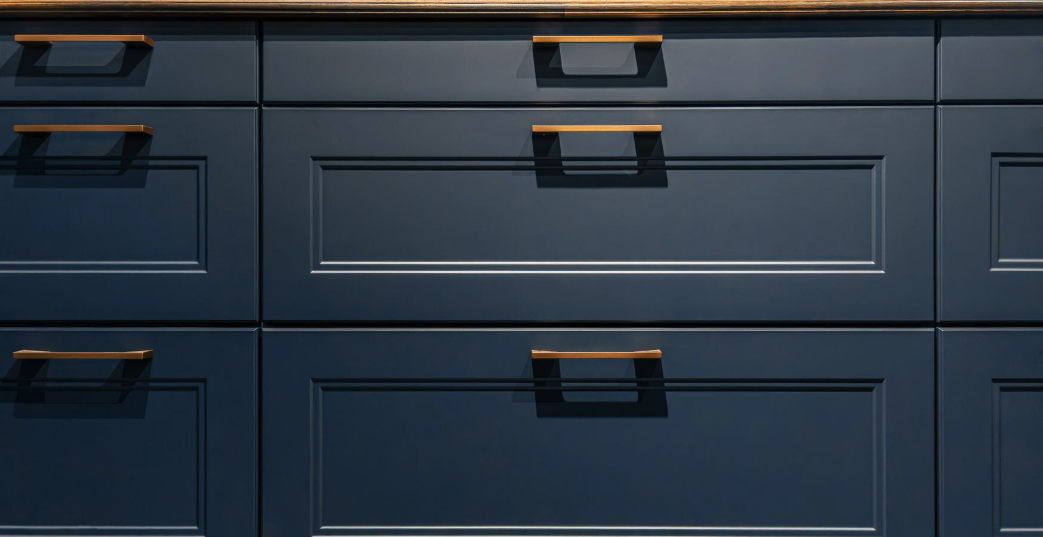
Suggested alt text: premium metal finish applied to a contemporary commercial facade and environment.