The steel industry is one of the pillars of Brazilian economic development. Present in highways, ports, buildings, industries, and energy infrastructure, it shapes cities, connects regions, and sustains strategic sectors such as civil construction, agribusiness, logistics, and energy. More than just a raw material, steel is part of the foundation that enables growth, competitiveness, and job creation throughout the country.
In recent years, however, the sector has faced a new level of challenges: producing more and better, with less environmental impact, greater energy efficiency, and a real commitment to social responsibility. This requires innovation in processes, technology applied to management, reuse of waste, reduction of emissions, and consistent actions with the communities where companies operate.
Throughout this text, we will show how the steel industry in Brazil has responded to these challenges, exploring trends in technological innovation, production efficiency, and environmental and social sustainability. We will also present how... companies of the Aço Cearense Group These initiatives fit into this scenario with practical examples of projects, investments, and solutions that help make the steel supply chain more competitive, responsible, and aligned with the future of the sector.
Steel plays a prominent role in Brazilian development. The country is among the ten largest global producers, supplying both the domestic and international markets. According to a study presented by Northeast Bank, In 2024, global crude steel production reached 1.88 billion tons, with a slight global decrease of 0.8%. Bucking the international trend, Brazil produced 33.7 million tons, growing 5.4% compared to the previous year.
This increase in national production demonstrates the sector's strength and adaptability, even in the face of challenges from the international landscape, energy costs, and market fluctuations. The presence of industrial hubs in various regions favors distribution and supply, especially in the Northeast and North, which have seen increased participation.
The sector is not limited to civil construction, supplying the automotive, naval, infrastructure, capital goods, and manufacturing industries. The versatility of Brazilian steel is reflected throughout the supply chain, from large-scale projects to small hardware manufacturers.
Steel is an irreplaceable raw material in the main activities of the economy. Its impact goes beyond the visible structures of modern cities: it is present in bridges, ports, railways, vehicles, and even in agribusiness. Companies in the steel sector participate directly and indirectly in the generation of thousands of formal and informal jobs.
The diversification of steel types manufactured increases Brazil's competitiveness on the international stage. This requires, however, technological updating, innovation, and new sustainable practices.
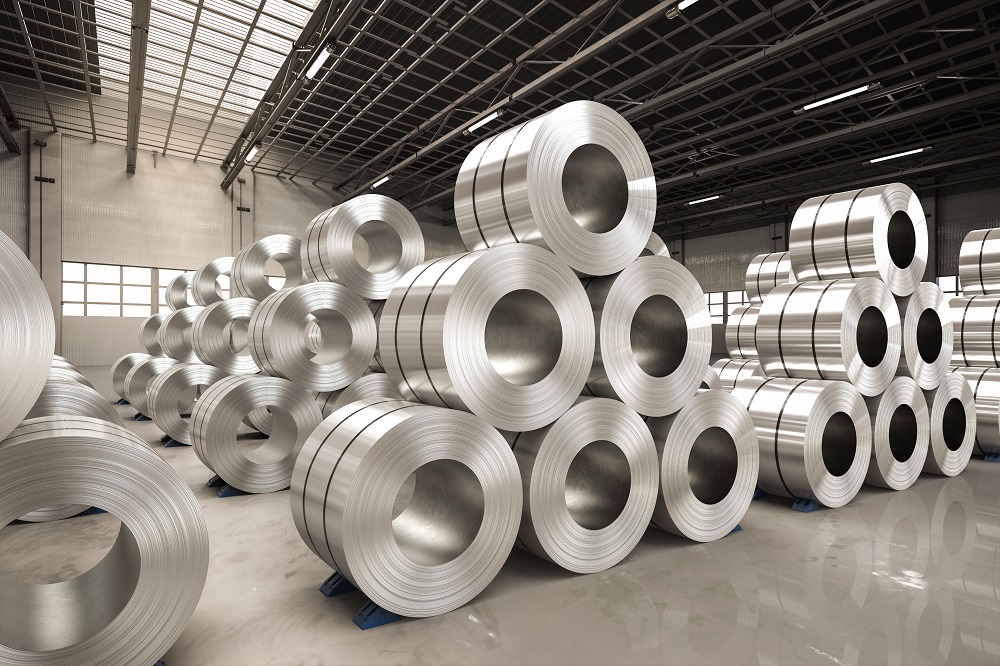
Understanding how steel reaches society broadens the perception of its relevance. The cycle begins with iron ore mining, passes through the transformation stage in steel mills, and continues to the production stages of rolled products, sheets, bars, pipes, profiles, and derivatives.
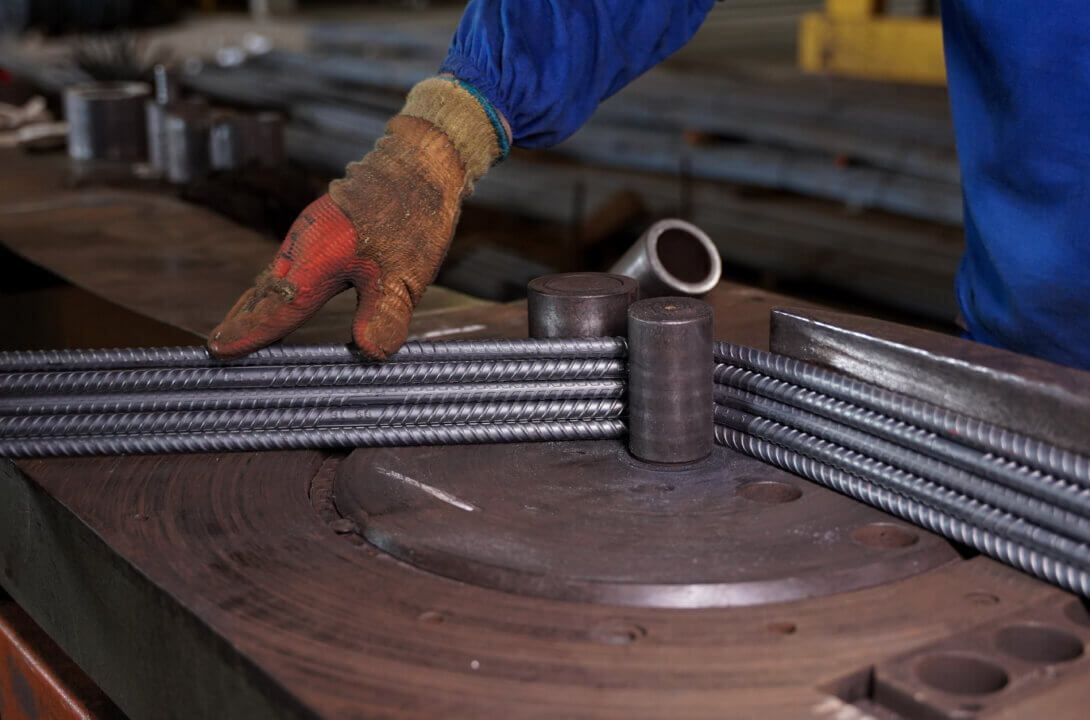
After processing, the steel goes to service or distribution centers, where it can be cut, bent, galvanized, and customized for each application. Then, it reaches construction sites, manufacturing industries, metalworking shops, and even "green building" projects.
The Aço Cearense Group is heavily involved in this cycle, offering materials for civil construction, metalwork, metal structures, flat and stainless steel, pipes, and metal profiles. This integrated approach allows it to meet diverse production demands with agility and quality, especially in the North and Northeast regions of Brazil.
Founded in Ceará, the Aço Cearense Group has expanded its presence and diversified its operations, becoming a benchmark in the northern and northeastern states of the country. Its businesses range from steel production and eucalyptus planting for biomass to social and environmental support.
These companies integrate modern practices with environmental commitment and generate multiple positive impacts for workers, communities, and supply chains. To learn more details about each unit of the group, access the content about companies in the Aço Cearense Group.
In addition to its industrial activities, the company stands out for its focus on environmental programs, transparent relationships with society, and offering products that cater to everyone from small workshops to large real estate developers.
The steel industry has been evolving to adopt new technologies, automate processes, and modernize the traceability of inputs and products. The Aço Cearense Group invests in updating its industrial facilities, adopting intelligent systems, and applying Industry 4.0 concepts to improve safety, efficiency, and results.
One interesting aspect of this technological advancement is the increase in opportunities for professionals in the region, access to specialized training, and the development of local solutions to global challenges.
With climate change and demands for an environmentally responsible stance, the Brazilian steel industry has begun to adopt practices more aligned with sustainability. The Aço Cearense Group exemplifies this transition, investing in clean energy sources, a circular economy, and decarbonization policies.
Implementing circular economy practices reduces waste and extends the lifespan of resources. In the steel industry context, this means:
Steel recycling is one of the greatest examples of industrial sustainability, as the material retains almost 100% of its properties even after numerous reuses. The Aço Cearense Group adopts this perspective, strengthening its environmental commitment in its operations.
Steel production is among the industrial activities that demand the most energy and generate the most carbon emissions. Therefore, reducing CO2 intensity is crucial.2 It is a global priority. The Aço Cearense Group invests in energy efficiency projects and the transition to renewable energy sources.
The choice of eucalyptus biomass to fuel part of the processes stands out, reducing dependence on fossil fuels. The planting of renewable trees also contributes to carbon capture and environmental preservation, an action maintained by Florestal Sinobras, a branch of the group.
In addition to eucalyptus forests, there is encouragement for the use of solar energy and research into new renewable sources with less environmental impact. These initiatives contribute to reducing emissions and ensure greater energy independence.
Steel companies also play a significant role in the social development of the regions where they operate. The Instituto Aço Cearense promotes educational, sporting, and inclusion initiatives, benefiting thousands of children, young people, and families.
These practices reinforce the perception of a broad commitment, going beyond production to foster civic engagement and reduce inequalities. Especially in areas far from major urban centers, community engagement strengthens lasting bonds and contributes to the sector's reputation.
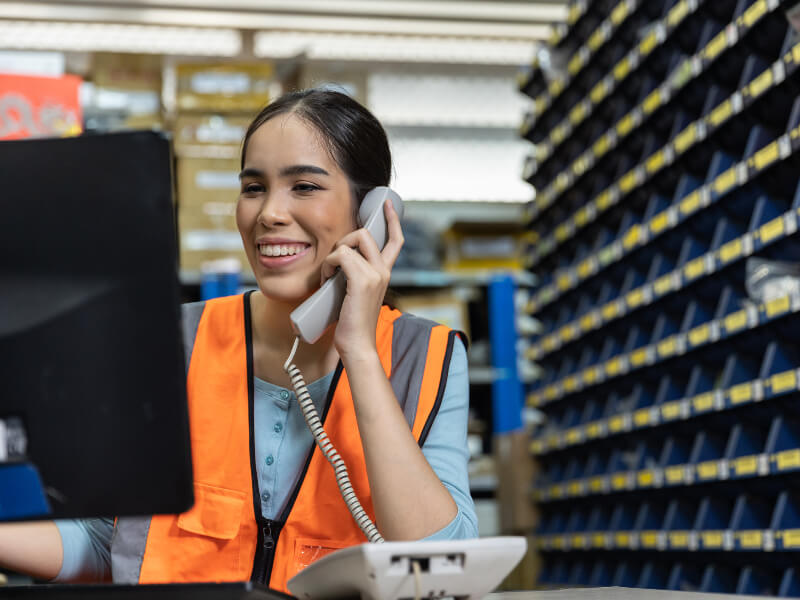
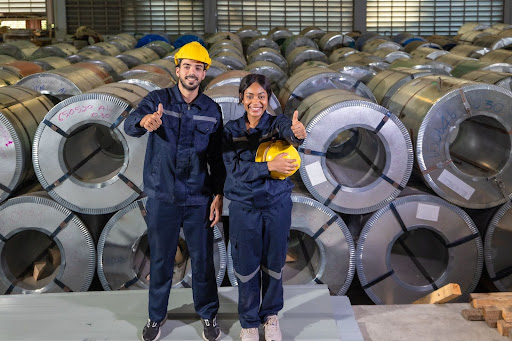
With the establishment of industrial hubs, Brazilian steel is a driving force behind job and income generation in many cities. The Aço Cearense Group actively contributes to this scenario, directly employing thousands of people in its operations and fostering the development of local suppliers.
Among the main positive impacts of the steel production chain, the following stand out:
Brazilian steel transforms cities and lives through job opportunities and skills training.
In practice, the presence of solid industries in states like Ceará, Pará, and Tocantins has been responsible, in recent years, for raising the standard of living for thousands of families and stimulating new regional ventures, creating a virtuous cycle.
The recent trajectory of the sector, and especially of the Aço Cearense Group, shows that it is possible to reconcile economic growth, social and environmental responsibility, and leadership in different regions.
Brazilian steel remains relevant, adapting production methods, investing in the modernization of its industrial park, and promoting clean and renewable technologies. The path forward is collective and continuous.
Looking at the steel supply chain and the Brazilian landscape, it's clear that innovation, sustainability, and social commitment go hand in hand to guarantee the success of companies and the development of the country. The Aço Cearense Group proves that it's possible to combine tradition, quality, technology, and responsible practices in a transparent way.
Whether for constructing large-scale projects, transforming cities, or investing in a sustainable future, steel produced in Brazil, and especially by the Aço Cearense Group, offers the best solutions in every way.
Want to learn about the unique features, products, and initiatives of the Aço Cearense Group? Visit the website!
The steel industry encompasses companies responsible for the production and transformation of steel from iron ore, pig iron, scrap metal, and other inputs. It comprises steel mills, rolling mills, distributors, and service centers that supply raw materials and products for civil construction, the automotive industry, capital goods, agriculture, and urban infrastructure. The steel sector is essential for the growth of various economic segments and for the development of cities and regions.
The Aço Cearense Group operates in an integrated manner, with different companies involved in steel production, distribution, renewable reforestation, and social initiatives. It primarily serves the North and Northeast regions of Brazil through e-commerce and B2B channels. It has high-capacity industrial units, modern distribution centers, and innovative initiatives in renewable energy and the circular economy. The group also invests in environmental responsibility and community projects, consolidating its reputation as a benchmark in the Brazilian steel sector.
The main challenge is balancing competitiveness, technological updating, cost management, and environmental commitment. Other obstacles include volatile ore prices, high energy costs, regulatory pressure, and the need to develop a skilled workforce. The sector responds to these challenges with innovation, training, and strategic partnerships across all links of the production chain.
Steel production is becoming more sustainable through waste reuse, recycling, the use of renewable energy sources, reduced water consumption, and emissions control. Reforestation practices, the circular economy, and investment in clean technologies are trends that help the sector reduce its environmental impact. Recycled steel retains its properties and contributes significantly to the industry's sustainable cycle.
To acquire quality steel, it is essential to seek out companies that are certified, offer diversified products, and have a history of responsible practices. Grupo Aço Cearense stands out in this scenario, offering qualified technical support, a regional presence, efficient logistics, and materials that meet the needs of civil construction, metalworking, industry, and "green building" projects. Customers can find detailed information about products and operations directly on the company's website.
 EN
EN  PT_BR
PT_BR