On any construction site, whether for minor renovations or large projects, one question is almost inevitable: which type of steel Does it truly deliver the strength, safety, and durability that the structure needs? This choice, often seen as simple, directly influences the performance of reinforced concrete and the future of the building.
Among all the structural elements, the Reinforcing bars play a central role.. They are the elements that, for decades, have reinforced concrete, ensured stability, and helped prevent deformation and failure over time. Therefore, understanding their characteristics is no longer just a concern for engineers; it has become valuable knowledge for managers, buyers, and construction professionals.
Knowing the different types of rebar, their specifications, the correct application methods, and the necessary precautions during transport and storage makes all the difference in the final result. In addition to increasing safety, these choices can reduce costs, prevent rework, and extend the lifespan of structures.
In the past, build with concrete This meant relying on compressive strength, but always with serious limitations regarding tensile stresses. The development of steel reinforcing bars for reinforced concrete in the 19th century radically transformed this scenario. Since then, research and the evolution of materials have been constant, making reinforcing steel a part of everyday life in civil construction.
These products are manufactured with specific chemical compositions and heat treatments, and are supplied in bars of varying lengths and diameters. But ultimately, how do you choose the ideal rebar, and what differentiates each type available on the market?
In Brazil, reinforcing bars for reinforced concrete follow the criteria established by... ABNT NBR 7480. It defines requirements for the geometry, strength, composition, and application of bars, especially for types CA-50, CA-60, CA-25, and special steels.
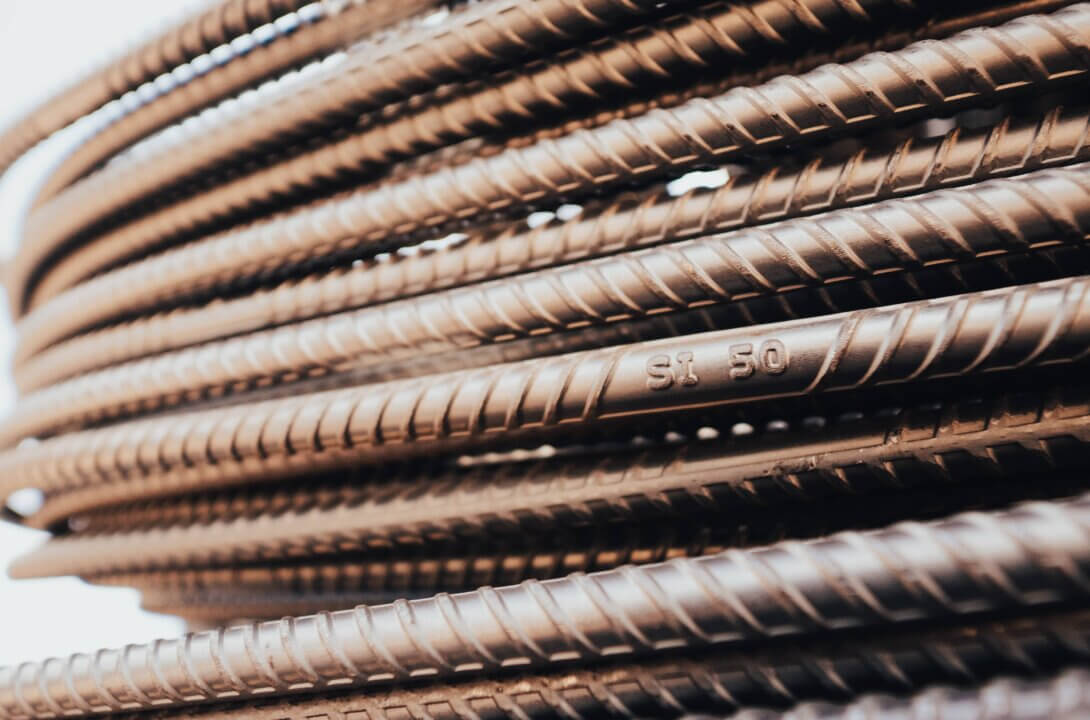
CA-50 rebar is the most widely used in small, medium, and large-scale structures. It has a ribbed surface, which facilitates adhesion to concrete, and a characteristic tensile strength of 500 MPa. Versatility, ease of cutting and bending, and excellent performance in slabs, beams, and columns make CA-50 a recurring choice.
Second study by UniAteneu, The use of higher-strength steel allows for a reduction in the volume used without loss of performance, which can be evaluated on a case-by-case basis. CA-70, for example, reduces the need for steel by up to 28.57% in certain situations.
Steel CA-60, CA-60, with a smooth or ribbed surface and a tensile strength of 600 MPa, is primarily sought for the assembly of stirrups, bands, and transverse reinforcement, where the critical factor is strength, but ductility is less required. In reinforced concrete works, secondary reinforcement uses CA-60 due to its smaller diameter, space optimization, and reduced final weight.
THE research developed by UEM Studies have shown that adding niobium to G50 steel increases its mechanical strength and corrosion resistance. This innovation is strategic, especially in aggressive environments, extending the lifespan of structures.
Reinforcing bars are typically supplied in straight 12-meter lengths or in coils, with diameters ranging from 4.2 mm to 40 mm. The ribbed surface is most prominent in CA-50 and CA-60 steel, while the smooth surface is restricted to specific applications.
Diameter, surface area, and rib pattern: three factors that the technical designer can never ignore. Depending on the diameter, rebar can be bent at various angles without significant loss of strength – especially if manufactured according to NBR 7480.
Any mistake in choosing the dimensions or the cutting plan can cause damage and waste on the construction site. Therefore, the supervision of engineers and the acquisition from [relevant supplier/company] are essential. companies like Grupo Aço Cearense, These are important differentiating factors for guaranteeing the origin of the materials.
The main attribute of rebar is its resistance to tensile forces. But its properties go far beyond that:
According to studies by UNILA Regarding the adhesion of reinforcing bars to concrete in aggressive environments., Corrosion reduces this adhesion (~20% in 315 days), implying risks for structures exposed to weathering and salinity. This data reinforces the need for correct storage and maintenance practices.
Replacing conventional reinforcing bars with models reinforced with metals such as niobium, as per the previously cited research, allows for significant gains in protection against this type of phenomenon.
When designing a structural project, many engineers face the choice between CA-50 and CA-60. The selection should be made considering the type of stress on the structural element, the required degree of resistance, and the planned construction details.
CA-50 rebar is one of the most widely used in Brazil, especially in structural elements that need to combine mechanical strength, good adhesion to concrete, and the ability to deform without breaking. Its composition and manufacturing process provide greater ductility, making it ideal for situations where the structure is subject to varying stresses, vibrations, and load redistribution over time.
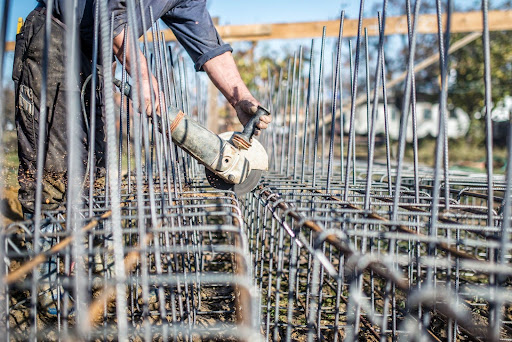
Therefore, CA-50 is widely used in beams, slabs, and columns, where the integrity of the structure depends on its ability to absorb stress without compromising the whole. Another benefit is the flexibility in execution, since this type of steel allows for bends, adjustments, and shapes during the assembly of the reinforcement, facilitating work in the field and reducing waste.
CA-60 steel is known for its high mechanical strength, a characteristic that makes it ideal for secondary reinforcement and components that do not require large deformations. Its most common application is in stirrups, transverse reinforcement, and points in the structure where the main objective is to promote confinement, prevent buckling of the main bars, and ensure local stability.
Because it is a stiffer and less ductile rebar than CA-50, CA-60 offers excellent performance when used in sections where the steel experiences less bending and more shear stress. Thus, it acts as an essential complement to structural safety, providing anchorage, stress distribution, and additional strength in critical areas of reinforced concrete.
Reinforced concrete has revolutionized buildings, bridges, industries, and the entire urban landscape. Whenever there is simultaneous compression and tension, the combination of concrete and steel offers structural balance, efficiency, and reasonable cost.
The reliance on rebar also appears in structural reforms, expansions, and the restoration of old buildings, where the replacement or reinforcement of the rebar is absolutely necessary.
To ensure longevity and performance, certain precautions regarding the transport, handling, and storage of reinforcing bars cannot be underestimated:
Failures in these processes can lead to microcracks, concrete spalling, or even loss of the steel's useful strength.
Beyond the technical aspects, one cannot ignore the positive impact of steel on the sustainability of construction. Every rebar can be recycled and reused in the industrial cycle with virtually no loss of mechanical properties.
The Aço Cearense Group, through SINOBRAS, reinforces its performance by aligning environmental certifications, raw material quality, and reforestation processes (such as eucalyptus planting), promoting a sustainable industrial cycle.
The adoption of environmental policies, combined with social responsibility, is detailed in the group's informational materials and can be seen in institutional actions within the metal structures segment.
Each step, from sizing to execution of the structure, depends on the standardization of steel and compliance with ABNT NBR 7480. Adopting this standard guarantees traceability, stable composition, and a minimum certified performance. Errors or improvisations in this area can lead to pathologies and even risks of structural collapse.
In its content about the relationship between steel and concrete, the Aço Cearense Group presents practical examples of inspection, specification, and best practices to ensure the longevity of construction projects.
Innovation in concrete structures involves new reinforcement formats, the use of pre-assembled rebar, and integration with steel columns and structures. This trend is detailed in the article on types of columns in steel structures produced by the Grupo Aço Cearense team.
Steel rebar is the invisible foundation of modern civil construction, allowing for architectural freedom, safety, and extended lifespan for houses, buildings, roads, and bridges. Every detail, from strength parameters to proper storage, contributes to preventing problems and facilitating future maintenance.
By investing in reinforcing bars supplied by Grupo Aço Cearense, you ensure traceable quality, on-time delivery, and environmental commitment at every stage. With technical expertise and personalized service, the company stands alongside those who value durability and safety in their construction projects.
Get to know our product catalog Request your quote today.
Steel rebar is a metal bar used primarily to reinforce the structure of reinforced concrete elements, absorbing tensile stresses and increasing the durability of the structures. Supplied in different gauges and finishes, it can be ribbed or smooth and is fundamental to ensuring the stability of beams, slabs, columns, and foundations.
The main types commercially available in Brazil are CA-50 and CA-60, regulated by ABNT NBR 7480. CA-50 has medium strength and a rib for adhesion, suitable for most main reinforcements. CA-60 offers greater strength and is usually used in stirrups or transverse reinforcements. There are also special types, such as niobium alloy steels, intended for structures exposed to aggressive environments.
Steel reinforcing bars provide tensile strength and ductility to reinforced concrete, supporting systemic stresses and preventing cracks and structural collapses. Their application is indispensable in slabs, columns, beams, foundations, structural walls, and infrastructure projects, ensuring the integrity and safety of buildings.
The price of steel rebar can vary depending on the diameter, type (CA-50 or CA-60), bar length, and specific alloy characteristics. Fluctuations in the mining market, transportation, and taxes also influence the final price of the product. To obtain updated and competitive prices, it is recommended to consult directly with established suppliers, such as Grupo Aço Cearense.
The supply of certified, traceable, and guaranteed reinforcing bars should come from recognized distributors committed to technical standards. The Aço Cearense Group, through SINOBRAS, offers reinforcing bar solutions for diverse needs, serving the North and Northeast regions via e-commerce, in addition to providing technical support for projects and efficient logistics.
 EN
EN  PT_BR
PT_BR