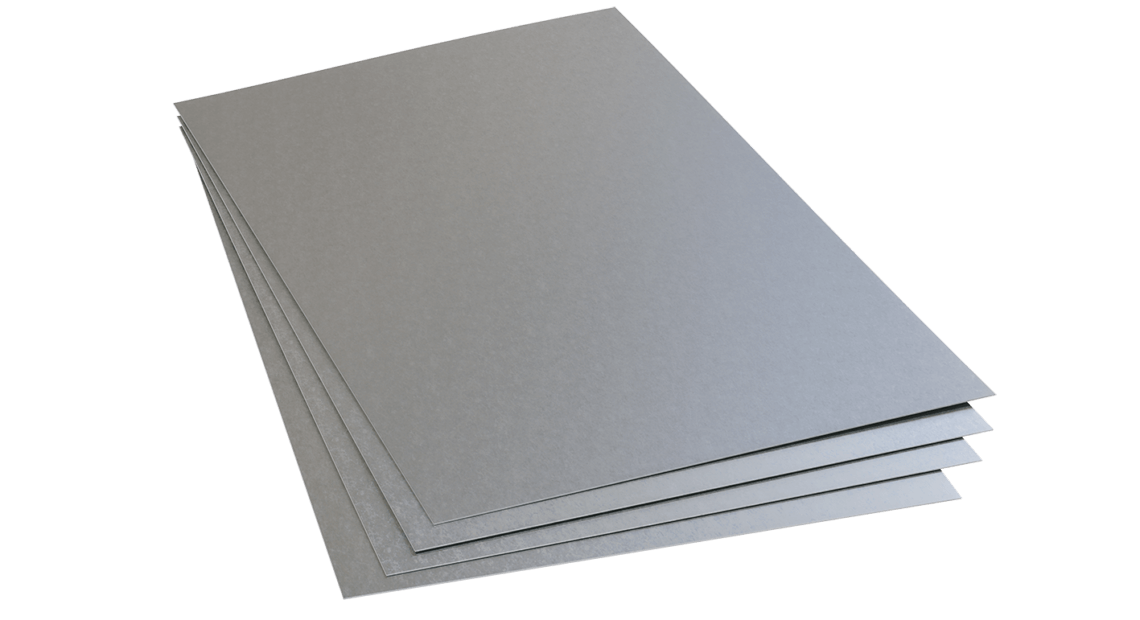
Preparing each stage of a construction project involves predictability, strategic decisions, and a commitment to deadlines. Those planning to build or renovate in 2026 are already feeling the impact of a scenario marked by rising costs and technological advancements. According to IBGE report, The national construction cost index points to consecutive increases in materials and labor, directly affecting the reality of construction sites and the budget for projects throughout the country.
In this context, choosing the right materials means more than just avoiding unpleasant surprises. It means providing the conditions for the project to move forward with quality, efficiency, and adherence to the schedule. The role of steel stands out due to its balance between strength, durability, and sustainability, making it a key player among the... most recommended materials of 2026.
This practical guide provides guidance on how to structure planning, select materials, choose suppliers, and prioritize the environmental and structural performance of construction, using examples from the Grupo Aço Cearense product line and industry best practices for the construction of the future.
As costs fluctuate constantly, planning takes on a crucial role. Data from IBGE The data shows that, in October 2024, the share of materials in the composition of construction costs increased by 0.79%, the highest rate since August 2022. The national average price per square meter is now approaching R$ 1,800.
THE Market analysis indicates that retail The construction materials sector indicates signs of recovery and growth in sales for the third quarter of 2024, suggesting a warming trend and possibly even more demand and pressure on inputs.
Creating a projection of quantities, costs, and technical requirements in the initial project outlines is the best defense against delays and waste. Putting the plan into action means considering advance purchases, delivery logistics, inventory quality, and even the sustainability of the chosen materials.
Each type of material affects the progress of the work In distinct ways. Steel, for example, besides being versatile, facilitates faster construction with less waste. Concrete ensures robustness for large structures, while finishing elements define comfort and aesthetics.
Durability and strength translate into less maintenance over the years, fewer repairs, and fewer unexpected costs. Assessing the actual performance of materials requires considering four main pillars:
The inputs produced by Ceará Steel and SINOBRAS Ceará Steel Group, Steel, such as steel for civil construction, structural steel, and pipes, combines these advantages and includes options in stainless steel, flat steel, and derivatives, allowing the customer to align the material with the specific purpose of the project.
The 2026 scenario offers some clear directions. Projects will increasingly demand energy efficiency, reuse feasibility, integration with modular construction systems, and social and environmental responsibility. Therefore, it's not just about seeking the lowest price, but rather added value throughout the project's lifecycle.
One publication of RECIMA21 Steel is highlighted as one of the main allies of these trends. Beyond its applicability in different stages, its environmental performance, from waste reduction to the possibility of almost total recycling, is further enhanced by lines manufactured using sustainable practices.
Choosing supplies with the future in mind reduces the total cost of the project, preserving resources and maximizing performance. Purchasing planning can include:
A common mistake on construction sites is prioritizing only the price, without analyzing the origin and performance of the materials. A reliable construction project depends on certified materials and suppliers with a solid track record. The safest approach involves clear evaluation criteria. Here are some essential points to consider when deciding what to buy and where to buy it:
Planning ahead saves money. Price fluctuations, exchange rate variations, and even logistical constraints can affect both small and large construction projects. Not planning the purchase of materials means taking unnecessary risks.
Ideally, the supplier prospecting process should begin simultaneously with the development of the detailed design, allowing for complete budgets, price negotiation, and organization of purchase lots.
Here are some strategies for saving money without sacrificing quality:
These practices increase the level of control over the budget, a topic detailed in the content on how to structure a construction budget.
The discussion about which materials to choose gains robust technical support when considering steel-based solutions. Recent studies, such as those published at RECIMA21, demonstrate that steel surpasses other construction components in four aspects:
Steel adapts to different typologies and scales, enabling architectural innovations and reducing construction time.
Furthermore, companies with responsible practices, such as the Aço Cearense Group, adopt reforestation and byproduct reuse policies, adding environmental benefits to the construction cycle.
The main benefits of using steel, detailed in the comprehensive guide on civil construction, point to a trend towards increasingly sustainable and efficient projects in Brazil.
Planning construction projects for 2026 requires well-informed decisions, anticipating unforeseen events, and making a demanding selection of materials and partners. The choice of steel, attention to suppliers, environmental responsibility, and the use of technology in inventory and budget control reaffirm the path to safe, economical, and high-quality construction projects.
If you're looking for an efficient project, with deadlines met and lasting results, it's worth learning more about the solutions, portfolio, and technical support offered by Aço Cearense and SINOBRAS, part of the Aço Cearense Group. Get in touch and... request your quote!
Construction planning is the process of defining, organizing, and anticipating all the necessary steps, resources, and deadlines to execute a construction project, minimizing costs, delays, and risks. It ranges from the technical definition of the project, through the acquisition of materials, scheduling, and financial management, to monitoring the execution, and is crucial for success and final quality.
Choosing materials involves considering durability, strength, project compatibility, sustainability, and ease of maintenance. The best materials for 2026 are those certified by technical standards, preferably with sustainable provenance and technical support from the supplier. Steel appears as one of the most recommended materials, especially when purchased from companies that meet rigorous quality standards.
The cost of planning itself varies according to the complexity of the project, but it usually ranges from 5% to 10% of the total construction value. This investment covers project development, consulting services, detailed budgets, supplier sourcing, and procurement planning. Good planning reduces delays, waste, and unexpected expenses throughout the execution phase.
Quality building materials can be purchased from recognized industries such as Aço Cearense and SINOBRAS. The Aço Cearense Group offers a wide range of products, technical support, and a commitment to deadlines. Seeking suppliers with a solid track record, certified products, and sustainable practices is the best way to avoid problems during and after construction.
The most suitable materials for 2026 combine durability, environmental performance, and ease of application. Steel stands out, especially structural and stainless steel options, which guarantee robustness and sustainability, in addition to pipes and metal profiles for various uses. The choice should consider the technical needs of the project, always prioritizing certified materials with specialized application support.
 EN
EN  PT_BR
PT_BR