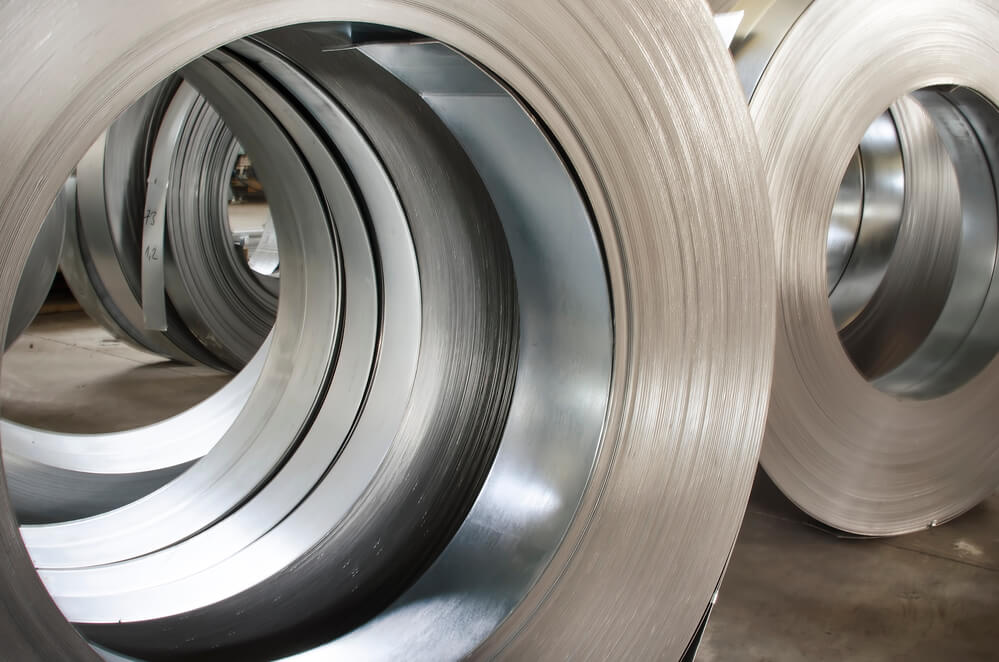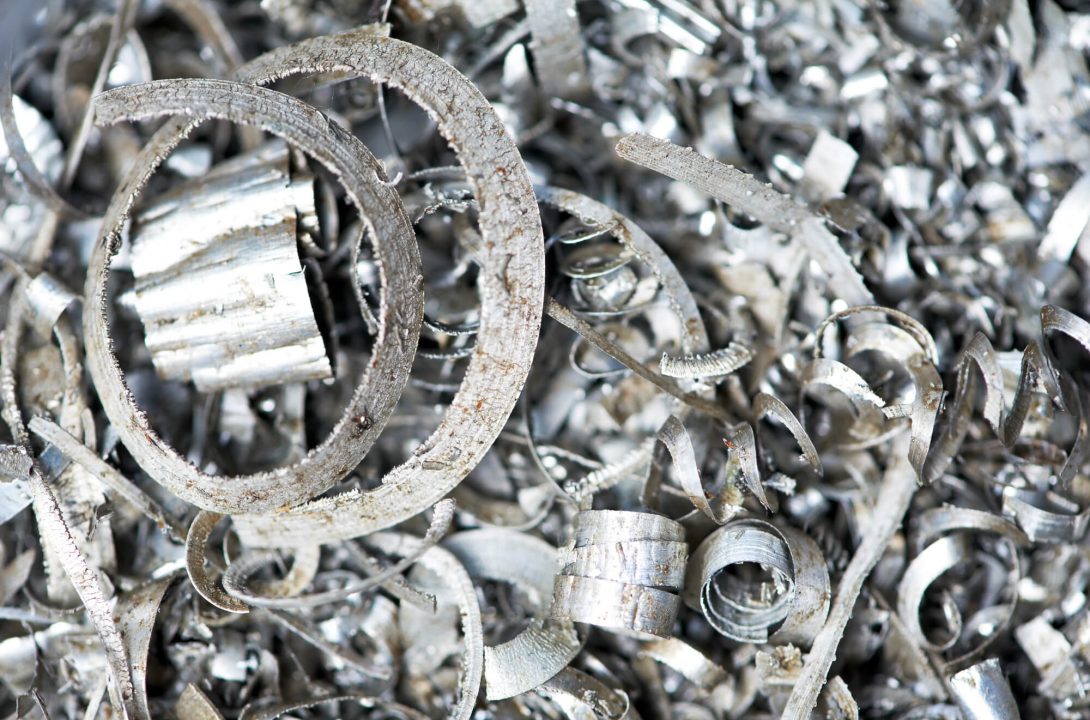
Steel is a metal alloy made of iron and carbon, and is also one of the oldest materials used by humanity. Because it's versatile, its ability to be recycled was soon discovered.
Steel recycling is as old as its use. The recycling process is practical, reduces environmental impacts, and the metal retains its properties. Metal alloys are used in a variety of applications. types of materials, the main ones being steel itself, stainless steel, bronze, gold and brass.
See below four advantages of steel recycling and why this process is important. Stay tuned!
Steel's complete renewability makes it an economical material. It is possible to recover 100% of steel without losing its original qualities. This reduces material costs.
Brazil is a country that is growing in steel recycling and tends to follow the global trend that increasingly encourages steel recycling.
During the steelmaking process, the blast furnace generates pig iron and slag. Pig iron is mixed with other materials to form steel, while slag is formed by materials considered impurities in this process.
Slag is not used in steelmaking. However, it is used in the steel industry. civil construction for paving and as a base material for cement. Even though it is not directly involved in the process, slag is not discarded.
Steel recycling is part of the circular economy. This economic concept is based on sustainable development through the reduction, recovery, reuse, and recycling of materials.
Reducing the steel manufacturing process preserves non-renewable natural resources and reduces CO emissions.2 in the atmosphere. CO2 It is one of the main gases causing the greenhouse effect, in addition to being harmful to human health.
The steel recycling process is relatively simple. First, a screening process is carried out to separate potential impurities. Then, the steel is classified, selected, and pressed. After pressing, the steel is sent to a steel mill, which will melt the material and reuse it to produce new steel.
Recycled steel doesn't need to be processed in a blast furnace; it can be melted and mixed with other materials in electric arc furnaces. This reduces production and raw material costs.
The recycling process is beneficial for industries, sustainable, and contributes to income generation. Some organizations encourage selective collection to increase the amount of recycled steel.
There are essentially no barriers to using recycled steel. Because its properties are controlled and are not lost during the steel recycling process, it can be used in construction, household appliances, furniture, and other applications. Steel should be recycled according to its intended application.
For example, there's no difference between an object made of stainless steel that contains recycled steel and one that doesn't. The quality of both is the same!
Did you enjoy learning some interesting facts about steel recycling? Also, check out the stainless steel applications, one of the metal alloys that can be recycled and is increasingly used due to its advantages.
 EN
EN  PT_BR
PT_BR