
Building a new venture involves a number of factors. The main one, of course, is related to expenses to be used in project development, material purchasing, execution and finishing. Therefore, it is increasingly necessary to cost control of those who will invest in a project.
Cost control is at the heart of civil construction and works as a tool management, it allows you to detect in advance if any value is higher than expected. This provides the opportunity to initiate corrective actions and increases the chance of eliminating or minimizing impacts.
– Reduction in rates of waste;
– Increase in productivity;
– Delivery within term established.
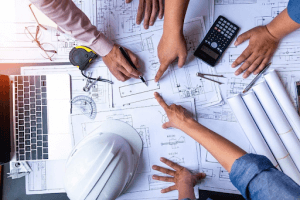
There is no way to start a project without having everything planned: architectural design, work team, quantity of materials, time to complete the work, and estimated cost of the entire process. Evaluate available resources, maintain an updated schedule, and coordinate actions in accordance with all regulations and laws. Work with a value and leave a reservation, around 10%, to cover surpluses.

Reuse the waste left over in your work can be another indicator of savings. Even if you have good ideas for reusing excess materials on the construction site, it's no use if the items aren't organized. The first step is to allocate dumpsters or drums to store the remaining materials. It's important to remember that virtually all items can be reused: concrete, cement, metals, wood, and ceramics.
Another way to save money is to show that you care about your business. Be present, showing your employees that you are monitoring the steps. It's important not to interfere in technical processes you don't understand, so as not to undermine your employees' work – that is, always encourage and motivate them. people, enhancing their function. This increases productivity, reduces time, and reduces costs.
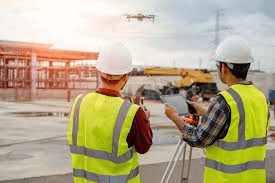 during execution. Therefore, have a spreadsheet, program, or software that manages all expenses, from the largest to the smallest, without forgetting any. These software They encompass many aspects, such as labor and equipment productivity, technical assistance management, quality, safety, inspection and delivery – also providing management summaries that support important decisions, for example.
Have a stock to keep materials safe and avoid costs. repurchase. Some ns inputs can be purchased all at once, in order to take advantage of good negotiation opportunities. Other materials can be purchased in stages, facilitating storage and logistics of the processes. Make a complete description of products and materials, monitor input and output data, maintain a quality control of items, work on the inventory and keep the place clean and organized.
Note that the tips above are all related. A monitored inventory prevents waste—which contributes to budgeting, which in turn makes planning possible.
Author: Alexandre Lima – Civil Maintenance Coordinator at Aço Cearense  Industrial
Alexandre Lima holds a degree in Civil Engineering, a postgraduate degree in Urban Engineering, and an MBA in Strategic Business Management and Corporate Management, all from the University of Fortaleza. He also holds an MBA in Maintenance Management from IPOG (Brazilian Institute of Porto Alegre) and a specialist degree in Occupational Safety from Faculdade Leão Sampaio. He has over 15 years of experience in Construction Management, with a focus on Infrastructure and Industrial projects. He currently serves as Maintenance Coordinator at Aço Cearense Industrial.
 EN
EN  PT_BR
PT_BR