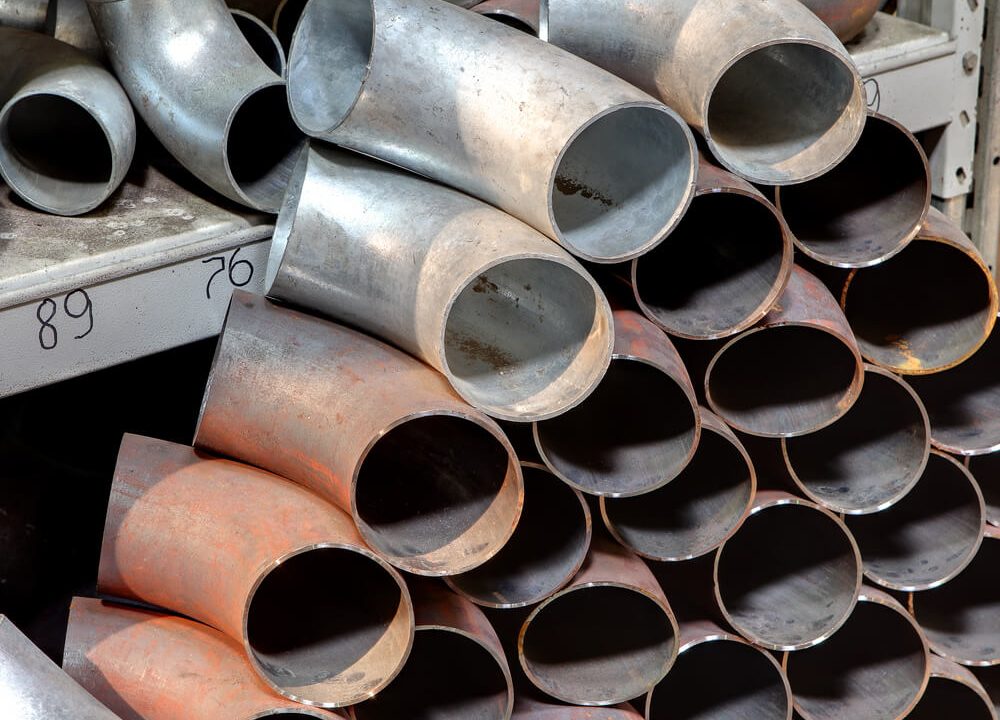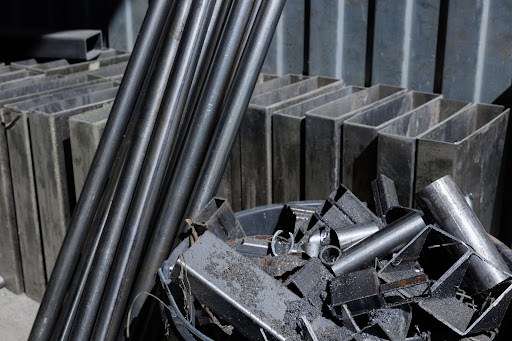
The construction sector is facing an irreversible transformation. Urban growth, coupled with new environmental and social demands, creates an urgent need for solutions that reduce negative impacts while maintaining high quality standards. In this scenario, recycled steel in civil construction plays a prominent role, combining sustainability, economy, and constructive innovation in a single proposal.
When discussing sustainability, the debate about raw materials and waste always arises. However, few materials offer the recycling capacity of steel. With each recycling cycle, Steel retains its key properties, such as strength, malleability, and durability.
Second 2024 data, Global crude steel production reached 1.88 billion tons, with Brazil contributing 33.7 million tons, an increase of 5.41 TPP compared to the previous year. These figures demonstrate the size of the industry and, with it, the challenge of directing part of this production towards sustainable reuse.
To understand how recycled steel transforms the construction industry, it's necessary to follow the cycle from collection to reuse in new structures. The process can be divided into several fundamental stages:
Steel can go through the recycling process indefinitely without losing its mechanical or physical properties. This makes it a highly valued resource in circular economy strategies within the construction industry. Many details about this cycle are available on the Aço Cearense educational page.
Reducing environmental impact is a fundamental premise of sustainable construction. The use of recycled steel contributes in several ways:
As recorded by São Paulo State Environmental System, Brazil produced approximately 48 million tons of construction and demolition waste in 2021, corresponding to roughly 227 kg per inhabitant. Therefore, the reuse of scrap metal..., It reduces the volume of this waste, contributes to urban cleanliness, and minimizes the need for landfills..
One of the basic criteria for certifications such as LEED (Leadership in Energy and Environmental Design) is the use of recycled, traceable, and low-environmental-impact materials. Certified projects make extensive use of reclaimed steel in various applications:
Recycled steel contributes to obtaining points in environmental architectural certifications. This directly impacts the reputation of construction companies, attracting concerned clients. sustainability and helps to meet the strict standards of the real estate market.
Furthermore, companies linked to the Aço Cearense Group have invested in traceability and circular economy programs. Materials purchased for construction projects are registered, collected after demolition, and reintegrated into the production cycle, reducing waste and promoting a cleaner industrial environment. Discover more about the circular cycle of steel.
The research developed by State University of Maringá (UEM) This indicates that adding approximately 0.1% of niobium to steel can increase its strength by 60% without significantly increasing its weight. This allows for the creation of lighter and more durable structures using less new material, further reinforcing the sustainable proposition of recycled steel.
Combining technological innovation in products with reuse practices only strengthens the path towards a more conscious construction industry.
Reclaimed steel is present in many well-known buildings and everyday environments, even if not always immediately apparent. Civil engineers and architects value the following applications:
Many of these projects seek environmental certifications, making recycled steel even more valuable. Its use in modular construction is a well-established trend, as it allows for speed of execution, versatility, and the complete reuse of elements in new projects.
Investing in recycled steel offers more than just environmental benefits. There is a direct relationship with construction costs and the competitiveness of companies in the sector. According to... Ministry of the Environment, Sustainable buildings can reduce maintenance costs by around 30% and consume significantly less water and energy.
Furthermore, the use of recycled steel offers advantages that include:
THE Ceará Steel Group Develops solutions and products with a high percentage of recycled materials, guiding clients and partners towards more conscious and profitable choices.
One challenge being overcome in the sector involves the traceability of recycled steel. This ensures that the material used actually has a certified origin and meets environmental criteria.
With labels, digital systems, and audit processes, it's possible to track:
This traceability strengthens the pillar of credibility and paves the way for even more rigorous ESG (Environmental, Social and Governance) practices.
The concept of a circular economy is becoming increasingly present in public policies and decisions made by large construction companies. Recycled steel fits perfectly into this model because, instead of generating waste, it returns to the production cycle all the material that was once part of a construction.
In the national context, data reinforces a point of concern: between 10% and 30% of materials acquired for construction projects may be discarded, according to surveys on the construction sector in Brazil. Seeking maximum reuse of waste, therefore, is an action that benefits the whole society, reduces pressure on landfills, decreases emissions, and also generates direct savings for companies and end consumers.
Engineers, architects, and managers play a key role in integrating the use of recycled steel into construction site routines. Some practical recommendations include:
With each choice, there is a greater chance of building better cities, cleaner infrastructure, and a more promising future.
Recycled steel in civil construction makes it clear that sustainability and quality can and should go hand in hand. From its production to its incorporation into large projects, it allows for waste reduction, lower energy consumption, less pollutant emissions, and new architectural solutions.
It is possible to build a more sustainable, productive, and economical world by choosing recycled materials. The role played by companies such as Ceará Steel Group It symbolizes this transformation, promoting partnerships and technologies for the benefit of the planet and future generations.
If your company wants to add more environmental value, productivity, and positive visibility to its projects, it's worth getting to know the solutions offered by Grupo Aço Cearense. Do it! part Make this a sustainable revolution and transform every project into a benchmark of innovation!
Recycled steel in construction refers to the use of steel parts, bars, sheets, or profiles that are reused after previous use, whether in other construction projects, industrial products, or market waste. The scrap metal is processed, melted down, and transformed back into construction materials without loss of strength or durability, bringing environmental and economic benefits to the sector.
Reclaimed steel can be used in metal structures, metalwork components, modular construction, urban infrastructure, facades, and various other elements. It is important to prioritize suppliers that guarantee traceability and quality, adopting practices such as purchase planning, waste control, and selection of certified materials, as exemplified in the actions of the Aço Cearense Group.
The main advantages include reduced environmental impact, energy and raw material savings, waste reduction, faster construction, lower CO₂ emissions, and compliance with environmental certification requirements and ESG goals. Furthermore, the use of reclaimed steel can add value to projects and result in lower maintenance costs over time.
Yes, the reuse of steel does not alter its mechanical properties, maintaining its strength and durability. With rigorous quality control and inspections during the recycling and production process, structures made with reclaimed steel perform the same as those made with new steel, meeting all applicable technical standards for the sector.
Investing in recycled steel brings economic, environmental, and reputational advantages. Companies and projects that choose this material reduce costs, improve their market image, comply with legal requirements, and contribute to transforming the construction sector into an example of social and environmental responsibility.
 EN
EN  PT_BR
PT_BR