The construction industry in Brazil is undergoing profound structural changes. What once seemed distant—automation, artificial intelligence, real sustainability, and faster construction—is now part of the daily routine for professionals and companies in the sector. By 2026, the landscape is expected to transform even further, demanding adaptation from all who wish to remain relevant in the market.
B2B companies that keep up with this evolution are positioning themselves prominently by offering solutions that combine technology, steel, and environmental performance. This new wave involves not only digitalization and automation, but mainly the adoption of construction models based on prefabrication, steel precision, and Industry 4.0.
This article will present an analysis of the trends reshaping the sector, from the use of steel in the industrialization of construction to the increasingly strong presence of artificial intelligence and BIM (Building Information Modeling). Data on productivity, waste reduction, impact on final costs, and the environmental demands imposed by consumers, investors, and modern legislation will also be considered.
The tradition of construction based on artisanal processes is numbered. The search for faster, more precise, and sustainable results has driven the biggest transformations in the sector in recent decades. The entry of new generations of engineers and architects, coupled with cost pressures and the need to reduce waste, creates the perfect environment for innovative solutions, especially those related to the strategic use of steel.
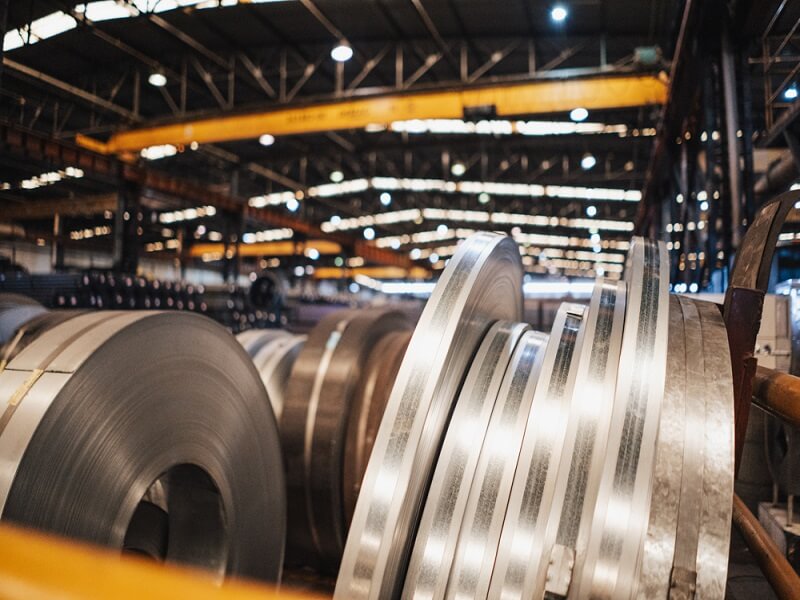
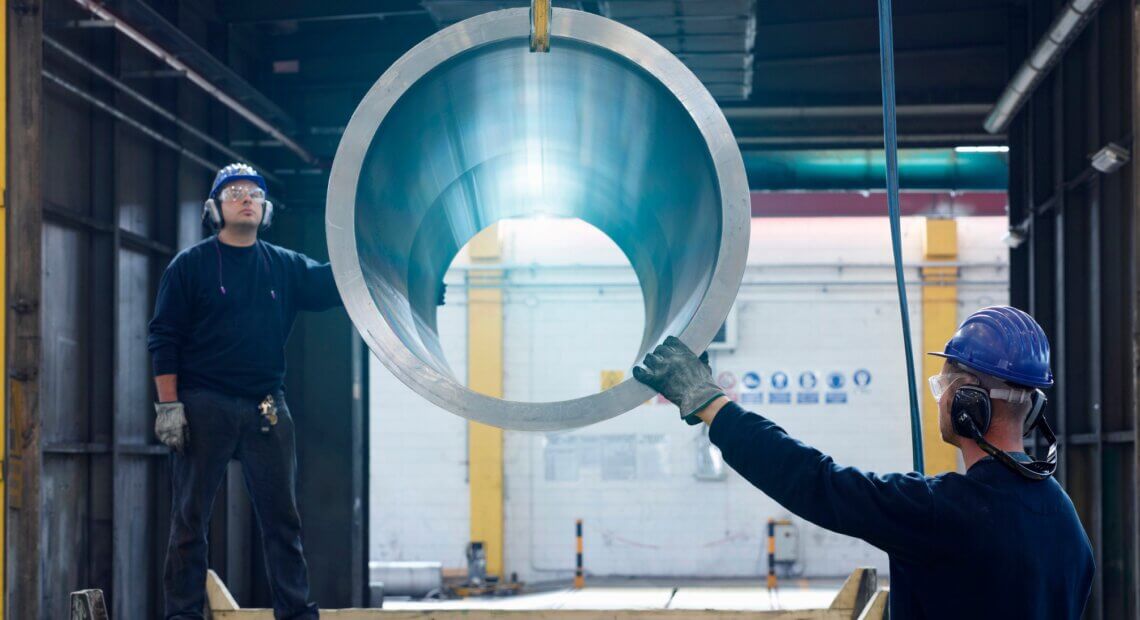
The industrialization of construction is one of the main guidelines for the coming years, as experts discuss at major industry events. Steel stands out for its adaptability, strength, and ease of assembly, making the off-site construction model viable, where a large part of the elements are manufactured in a controlled environment and transported ready to the construction site.
Anyone who witnesses a large construction project being erected using metal structures notices the difference right from the first stages. Construction time is drastically reduced. The quality of the finishes is visibly superior. This trend is even detailed in articles about the applications and benefits of steel, which highlight both the practicality and the cost savings resulting from this approach.
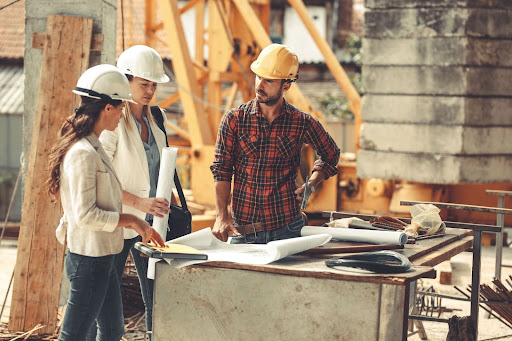
The use of BIM (Building Information Modeling), augmented reality, and artificial intelligence is no longer restricted to major cities or high-profile projects. These technologies have arrived to democratize information, enabling detailed planning, simulations, real-time monitoring, and mitigation of failures even before the first brick is laid.
Furthermore, digital integration is already streamlining approvals, purchases, structural fabrication, and alignment between architecture, engineering, supplier, and client teams. The Aço Cearense Group, attentive to these trends, offers materials ready to integrate with BIM models, optimizing time and precision on the construction site.
While past decades were marked by cumbersome and time-consuming processes, today the watchword is integration. Various technological systems work together to create connected, productive environments with rigorous control of resources and processes.
BIM is the digital model that connects all stages of the construction cycle, from initial concept to demolition and post-construction operation.
For those who work with steel, this integration is even more noticeable. The BIM model allows factories to plan cuts and fittings with millimeter precision, saving material and time, and providing greater safety for workers.
In construction, quick decisions save time and resources. Artificial intelligence is being applied in systems that analyze climate data, team flow, material availability, and predict structural risks, as well as propose customized solutions for each context.
Automation is already appearing in repetitive tasks: wall construction, welding, weld inspection, and the transport of heavy parts. Machines learn from previous patterns and adjust speed or processes according to the specific needs of the project, contributing to the predictability and standardization of results.
Among the most suitable materials for industrialized construction systems, steel stands out as a leading option. The versatility of this material allows for everything from small alterations in residential construction to large-scale projects with complex demands, all within the concept of Construction 4.0.
Metal structures accelerate project completion, reduce waste, and maximize environmental benefits. Here are some key points highlighted by industry experts:
These aspects are also discussed in the special content on the main structural steel profiles, which detail applications for each type of project. Anyone comparing traditional and metal buildings realizes how precision is crucial for performance gains.
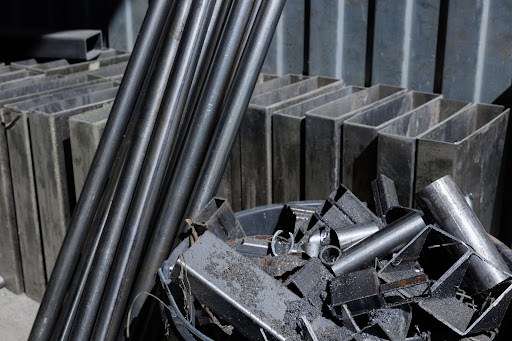
The sector is facing increasing pressure to deliver constructions that cause the least possible environmental impact. Prefabricated steel structures reduce waste, since everything is produced and cut according to need. Furthermore, the time spent by teams and equipment on site is reduced, also impacting water and energy consumption and pollutant emissions.
Companies with a long-term vision invest heavily in environmental policies connected to steel production, as evidenced by projects from the Aço Cearense Group and its work with reforestation and regional social initiatives.
Industry studies show that industrialization, particularly in the steel industry, can lead to reductions of up to 30% in the total cost of construction compared to traditional methods. This difference is explained by the lower volume of wasted material, lower labor costs, and greater added value to the building, as steel offers more flexibility for future expansions and renovations.
In the long term, the durability of the parts and ease of maintenance reinforce the return on investment. For B2B companies, this represents a competitive advantage when estimating schedules, closing contracts, and providing guarantees to clients.
The use of prefabricated modules, walls, slabs, beams, and complete structures has already changed the dynamics of residential and industrial construction in major cities. With industrial processes, precision increases, surprises decrease, and results are more reliable.
Those who follow the construction industry have already noticed this shift: smaller construction sites, less truck traffic, faster roof completion, and less risk of delays caused by weather or lack of materials.
Modularization is directly linked to the concept of smart construction, discussed in detail in topics on technological applications in civil construction, which highlight this new perspective on planning, execution, and finishing.
Digitized projects are also more transparent. Performance indicators can be measured precisely; deadlines, productivity, resource consumption, and waste generation are monitored in real time. This facilitates quick, responsive, and data-driven decision-making.
Digital tools are enabling managers to identify bottlenecks and opportunities for improvement during execution, preventing waste and delays. See practical examples highlighted by industry performance studies:
These resources add reliability to the planning process, allowing suppliers, such as Grupo Aço Cearense, to offer materials that are already ready to be integrated into the construction site's digital systems.
Increasingly, businesses only reap good results when they incorporate practices that respect the environment and society. Recyclable materials, energy-efficient processes, and social investment are fundamental criteria for obtaining green certifications and labels.
Companies within the Aço Cearense Group demonstrate genuine concern, promoting not only the planting of eucalyptus trees to supply clean energy, but also supporting social institutions and participating in educational and environmental initiatives.
Experts predict that steel construction will be one of the preferred models for commercial buildings, logistics warehouses, hospitals, schools, and even medium- to high-end residential developments. This stems from the demands for flexibility, rapid expansion, and cost control in operation and maintenance.
In addition to maintaining its already known technical properties, increasing integration of steel with building automation resources, smart sensors, and renewable energy systems, such as solar panels and connected batteries, is expected. Due to its durability, steel allows for frequent adaptations in these systems, remaining relevant in the coming decades.
Looking ahead to 2026, it's natural to envision cleaner, quieter, and more integrated construction sites, where steel, technology, and environmental awareness converge to create intelligent and adaptable structures, exactly as proposed by the solutions developed by the Aço Cearense Group.
Anyone working in the construction industry knows that the changes are only just beginning. Understanding the materials, systems, and metrics aligned with the construction of the future is a fundamental step for companies, engineers, and architects who plan to grow alongside the sector.
Construction industry trends for 2026 point to a sector where technology, sustainability, and precision are indispensable. Steel, as a central element of this transformation, enables faster, more economical, and efficient projects, bringing Brazil into line with global best practices.
If the goal is to anticipate the future, now is the time to incorporate new techniques, adopt strategic materials, and seek partners that boost competitiveness. To evolve alongside the market, learn about the solutions offered by [Company Name]. Ceará Steel Group Discover how to transform your ideas into technological and sustainable projects.
The main trends in civil construction include the industrialization of works (with prefabrication and modularization), intensive use of materials such as steel, digitization of projects via BIM, automation of processes with artificial intelligence, and a growing focus on environmental sustainability. The sector is moving towards a faster, more precise model aligned with environmental and social demands.
Technology is promoting greater integration across all stages, from design to execution and maintenance. With the adoption of BIM, automation, and intelligent systems, it is possible to anticipate challenges, eliminate rework, reduce waste, and manage resources efficiently. This leads to faster, more economical, and transparent projects, while also improving communication between professionals.
Yes, steel offers structural and sustainable advantages, making it a frequent recommendation for those seeking speed of assembly, precision, and flexibility for future alterations. The material is fully recyclable, reduces waste, and offers an excellent cost-benefit ratio for both small and large projects. Metal construction is proving increasingly competitive in various industry segments.
Productivity can be increased through the adoption of prefabricated systems, the use of steel, the application of digital tools, team integration from the beginning of the project, and the automation of repetitive tasks. Clear indicators, detailed planning, and real-time monitoring help to identify and act on potential deviations, as presented in specific content on productivity in the sector.
By 2026, the sector is expected to consolidate the full use of BIM, artificial intelligence for decision-making, more advanced automation on construction sites, greater standardization of parts and construction systems, as well as the strengthening of modular construction and integration with environmental technologies, such as renewable energy systems and low-carbon construction. Steel, in this context, will be a central element to enable these innovations.
 EN
EN  PT_BR
PT_BR