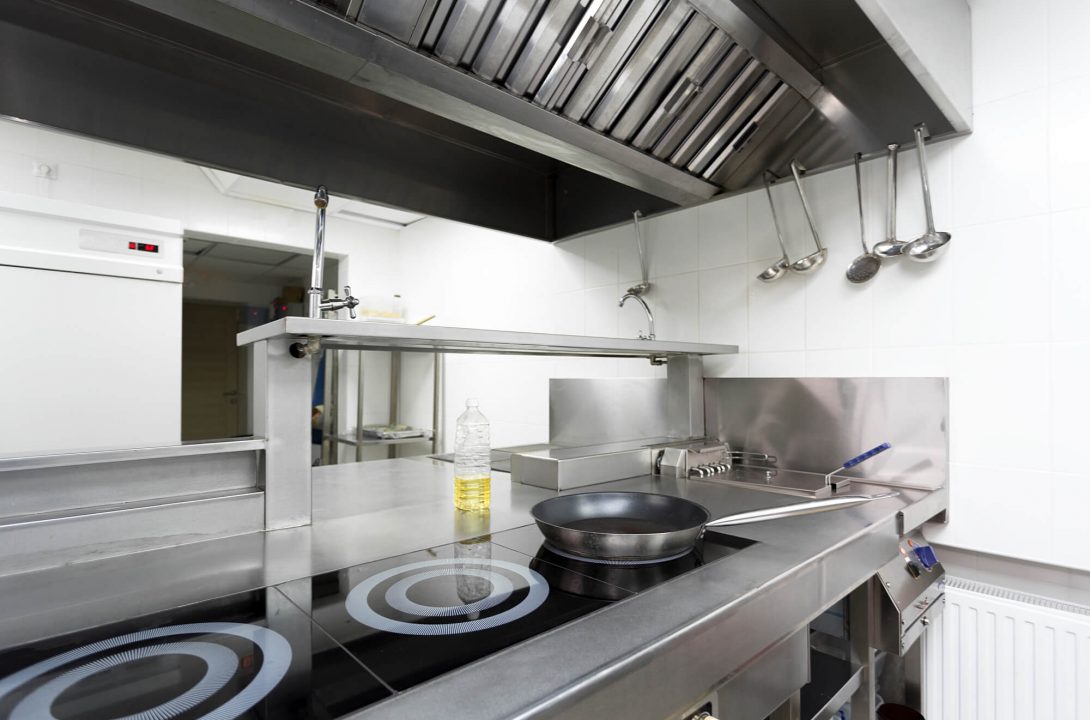
Everything involving the cultivation, transportation, and preparation of food requires careful consideration and regulation. There are numerous opportunities for product damage, bacterial proliferation, and other problems. Therefore, the use of stainless steel in the food industry has become an increasingly sought-after solution.
As you may already know, stainless steel, simply called “inox”, is used in various places with various purposesThis also includes the food sector, where demand is increasing.
If you manufacture equipment for this area or supply materials for its manufacture, then see here some reasons for using stainless steel in the food industry.
As the name suggests, stainless steel is a metal that doesn't oxidize, meaning it doesn't rust. The result is a smoother surface, with less wear in the medium and long term. Furthermore, low oxidation also means fewer metal particles are released and cling to food.
Some equipment in the food industry is made of stainless steel because it needs to be used for several hours at a time and cannot be replaced or stopped for maintenance frequently. This is the case with processing machines and industrial ovens, for example.
Due to less wear, stainless steel is perfect for this equipment, contributing to its greater durability and minimizing maintenance costs in the long term.
If food is not handled and controlled with sufficient care, there is a high risk of poisoning or product damage. To minimize this risk, only the best materials should be used in packaging, handling, transportation, and preparation tools—whether industrial-grade or homemade.
And stainless steel guarantees non-contamination by retaining its passive oxide layer, ensuring the integrity of the food.
Another reason stainless steel is used in the food industry, especially in kitchen equipment, is its ease of cleaning after each use. Typically, metal surfaces develop grooves over time due to exposure to heat and chemicals.
However, as a high quality stainless steel It's highly resistant to this type of damage, preventing the buildup of organic matter and bacteria. As a result, it's much easier to keep the plates clean for the next job.
Something many people don't realize, but which significantly affects food quality, is the flavor the container imparts to the food. Iron pans, for example, also leave a residue after being used in the kitchen.
Therefore, having a container that negatively affects the flavor, whether during transportation or preparation, is always a problem. Fortunately, because stainless steel doesn't release particles onto the products, it also doesn't compromise their flavor.
Now you better understand the importance of stainless steel in the food industry. If you want to stay informed about this and other related topics, follow the Aço Cearense group on Facebook and in the LinkedIn to always stay up to date with our news.
 EN
EN  PT_BR
PT_BR