Choosing the right cement type is a strategic decision for any construction project, whether small or large. With so many options on the market, understanding the characteristics and properties of each makes a huge difference in the quality of the work. Therefore, the professional responsible must be well-informed to make the best decision.
Furthermore, conditions such as the construction environment and project requirements affect material selection. Therefore, it's important to explore the specifics of each alternative and its practical applications.
With this in mind, we've created comprehensive content on the types of cement best suited to your needs. The right choice can transform your building into a true commercial success. Check out the post.
This material is the foundation for construction projects because it is durable and safe. Cement is composed of clinker (calcined limestone and clay), gypsum, and additives. It is used in concrete and mortar to provide stability and strength. Its versatility allows it to be used in a variety of conditions, from foundations to finishing.
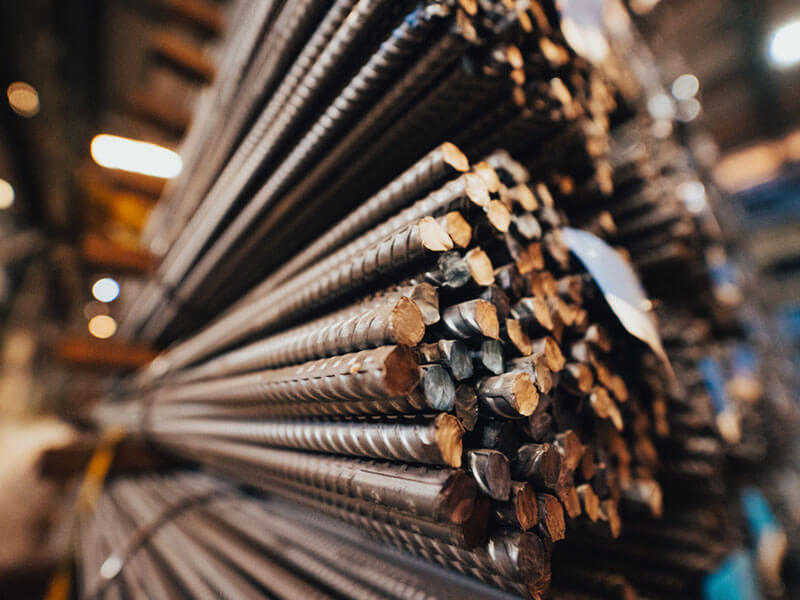
In addition to cement, other materials, such as stainless steels, are also present, especially in corrosion-resistant structures. However, it is cement that supports most constructions, ensuring that elements such as metal alloys produced in steel industry, are incorporated efficiently.
Without further ado, let's look at the categories available for application in work. Learn about the types of cement available on the market.
This is the most basic model on the list. It features a simplified composition, ideal for projects that don't require cement with very specific standards. Gypsum is the only additive used, as it delays hardening to extend application time. It's a low-strength material often used in situations where there's no exposure to adverse environments, such as sulfated soils—which weaken the cemented composition—and groundwater.
This type of Portland cement, which accounts for almost 70% of the cement produced in the country, is the most common and readily available. Its compound formula releases little heat when it comes into contact with water. Its application is broad, encompassing general construction, structures requiring moderate heat release, and projects vulnerable to sulfates.
It is widely used in large-scale projects that require durability and strength (e.g., dams, roads, and liquid transport pipes). The slag content in the formula can reach 70%, which further mitigates the heat released during cement hydration and provides low permeability.
It is recommended for massive concrete structures and projects in contact with aggressive environments, such as bridges and dams.
Pozzolans are finely divided to form binders through contact with moisture and calcium hydroxide. When poured into cement, they exhibit reduced strength at the beginning of the curing process but become stronger toward the end.
It's a more basic material that doesn't receive additives in its mix. However, it has high initial strength, as well as fast drying and hardness. This effect is due to the production process, which uses different amounts of limestone and clay.
CP V is used in the manufacture of cement, mortar and concrete artifacts, masonry and paving blocks (curbs, slabs, posts and tubes).
Contains C3A additive and carbonate additions that create greater resistance in contact with sulfated environments, such as oceans, sewage, and industrial environments. Therefore, it is recommended for structural repairs exposed to sulfates and corrosion, such as:
This material is highly resistant to high temperatures and is extremely durable. Because it's robust, it's less prone to structural cracks, which can occur due to the heat generated during the hydration process. BC cement is recommended for large-scale projects.
It's a popular alternative for aesthetic finishing applications. Its white color can be combined with dyes for customization.
CPB is manufactured innovatively with low CO2 emissions compared to other cement types. This process makes it a sustainable option for construction.
Purchasing the ideal material is the first step to ensuring the quality and safety of your project. With many alternatives on the market, it's important to understand the characteristics of each type of cement to avoid structural failures.
Analyze the purpose of the civil construction from end to end. For structures such as slabs For foundations, common Portland cement (CP I) is a good choice due to its versatility in less vulnerable environments. On the other hand, for projects exposed to severe conditions, such as dams and swimming pools, choose sulfate-resistant versions, such as high early strength cement (CP V).
The climate and location of the construction must be prioritized. Humid or salt-laden locations require materials with corrosion-resistant additives. Therefore, pozzolanic cement (CP IV) is recommended, as it protects against aggressive agents and offers good permeability.
For fast-paced projects, use accelerated-curing cements, such as high early strength (CPV). However, if the construction time is longer due to a large project, choose cement with a low heat of hydration (BC) because it can withstand high temperatures and offers good durability.
Always check that the material meets the criteria of the Brazilian Agency of Technical Standards (ABNT). This market recognition confirms the quality of the cements for each type of application, reducing the likelihood of problems.
Choosing between the available cement types is ideal for turning projects into reality. To achieve this, it's important to prioritize the demands of the environment and the project's objectives. Every detail matters when investing in a satisfactory delivery to the client. The secret lies in choosing carefully to create a grand, safe, and durable construction. After all, great constructions begin with smart, well-planned choices.
Did you like this content? Then be sure to share it on your social media!
 EN
EN  PT_BR
PT_BR