Storing steel correctly is essential for this material to be used in civil construction, in a wide range of projects.
Furthermore, to ensure that the steel performs its functions correctly and does not cause damage to the work, it must be handled correctly — otherwise, it may suffer corrosion, damage and even lead to structural problems in the building.
To help you avoid mistakes that could jeopardize your construction, we've outlined the best practices for storing steel in this post. Check it out!
Environmental conditions have a significant impact on the quality of stored steel. This is because issues such as humidity and temperature fluctuations can lead to various problems, such as corrosion, which compromise its quality. resistance and aesthetics.
In this sense, we must avoid storing the material in humid environments or in direct contact with water, as these conditions accelerate the corrosion process, especially if the steel is not protected with coatings.
Therefore, to preserve the quality and properties of steel, it is essential to adopt good storage practices, which include a dry and well-ventilated place.
Now that you know how storage conditions impact the shelf life of steel, we'll share some tips for storing specific items correctly. Read on!
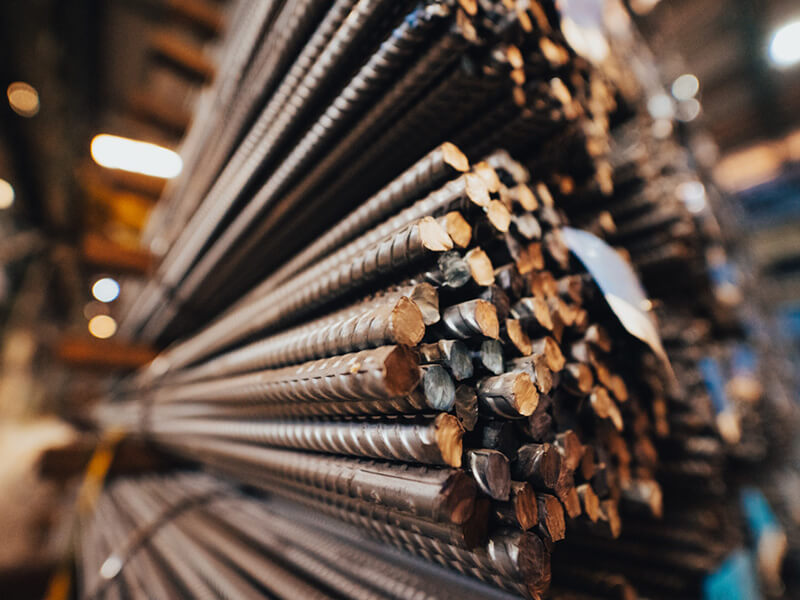
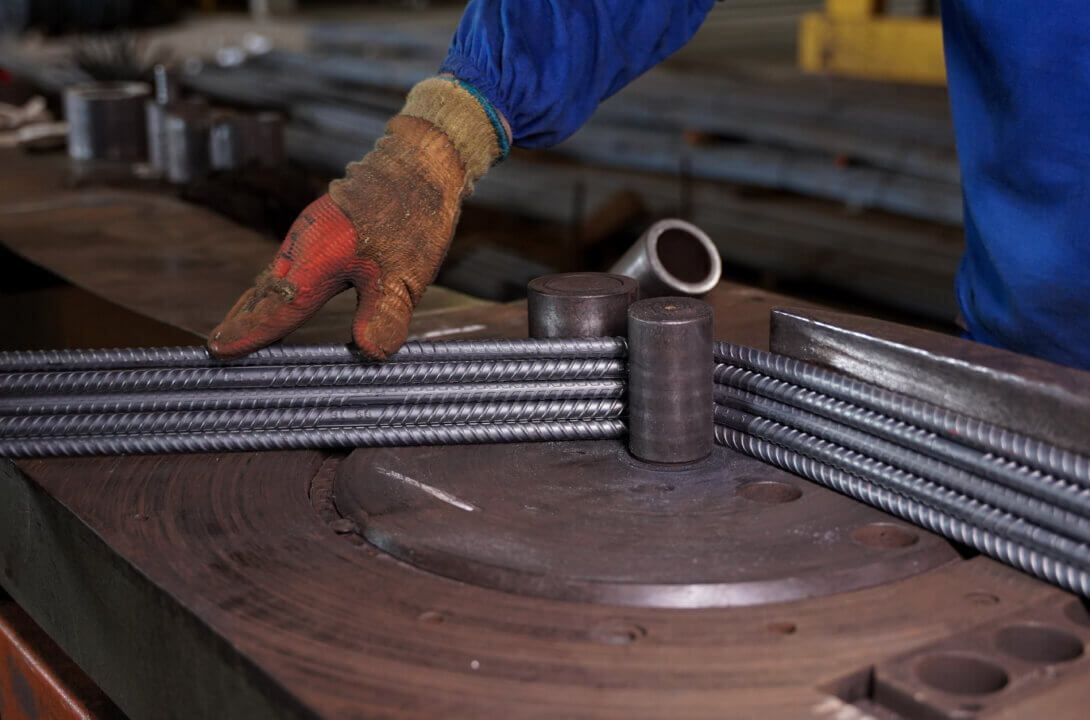
Steel bars and wires should be stored away from direct contact with the ground and always in covered areas that protect them from sun, rain, and excess moisture. To keep the bars and wires from lying on the ground, rafters or props can be used. Additionally, it's important to separate the bars into bundles and wind the wires according to gauges.
By storing the material in this way, in addition to maintaining the more protected steel, you reduce storage space, allowing construction sites and construction stores to better utilize the area reserved for this function.
Another extremely important point when checking how to store steel bars and steel wires is to ensure that the material is kept away from electrical installations.
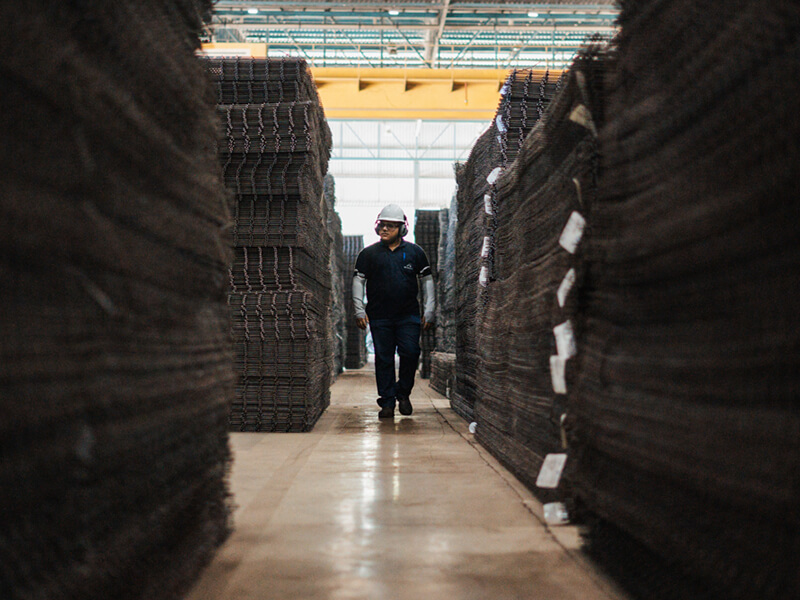
Steel screens must be stored on props, separated by type, and labeled with identification tags. Like bars and wires, these pieces must not come into contact with the ground.
Steel screens can occasionally be stored outdoors, but in this case, a tarp or covering is required for protection. Other important precautions include:
To the steel sheets They must also be stored properly to prevent corrosion and other damage. Steel sheets should be stored on dedicated racks or pallets, avoiding contact with the floor and other metals.
Just like steel bars, wires, and mesh, sheets should be stored in a covered, moisture-free space. If sheets must be temporarily stored outdoors, they should be placed on gravel and covered with a tarp.
The storage of tubes It's delicate and requires great care, as a small slip can cause serious and even fatal accidents. Therefore, it's important to store pipes on cantilever racks and take extreme care when handling them. Another way to store steel pipes is using shelving with inclined arms.
Regardless of how they are stored, the tubes must be kept in a dry, covered place, without contact with the ground.
THE stainless steel It should also be stored in a covered, moisture-free environment away from the ground. It is highly recommended that this type of steel be stored on a rubber floor to keep the material protected.
Whenever stainless steel is handled, it is necessary to use gloves, tools and plastic parts to avoid damaging the material.
Storage must be done separately from other types of steel, as contact with other metals can cause galvanic corrosion, making its use unfeasible.
To control your inventory and ensure greater durability for materials, different technologies can be applied, such as:
Taking the precautions you've seen is essential to prevent damage to steel and ensure worker safety. By using proper handling techniques, such as the use of appropriate equipment and adequate employee training, accidents can be prevented.
Careful handling reduces the risk of deformation or scratches on the steel, preserving its integrity. Furthermore, it's important to invest in training and safety protocols to reinforce the protection of both the people involved and the material.
Knowing how to store steel is essential in all situations. Each piece must be properly identified, specifying its thickness, diameter, weight, and type. Finally, steel must always be handled with proper PPE to ensure personal safety and prevent any damage to the steel.
Want to continue getting practical tips for your activities? Then follow our pages on Instagram, Facebook, YouTube and LinkedIn and follow new content!
 EN
EN  PT_BR
PT_BR