To the sustainable buildings are essential elements for ensuring a better future and preserving the environment. Since the sector is one of the most resource- and energy-intensive activities, in addition to generating significant environmental impacts, it's important to seek materials that mitigate these disadvantages.
Steel is one of them and can offer great benefits, both for the environment and for the health and well-being of the occupants of the built structures.
In this article, we'll explain the concept in more detail, why this element is crucial, and the benefits of adopting it in practice. Curious? Then keep reading!
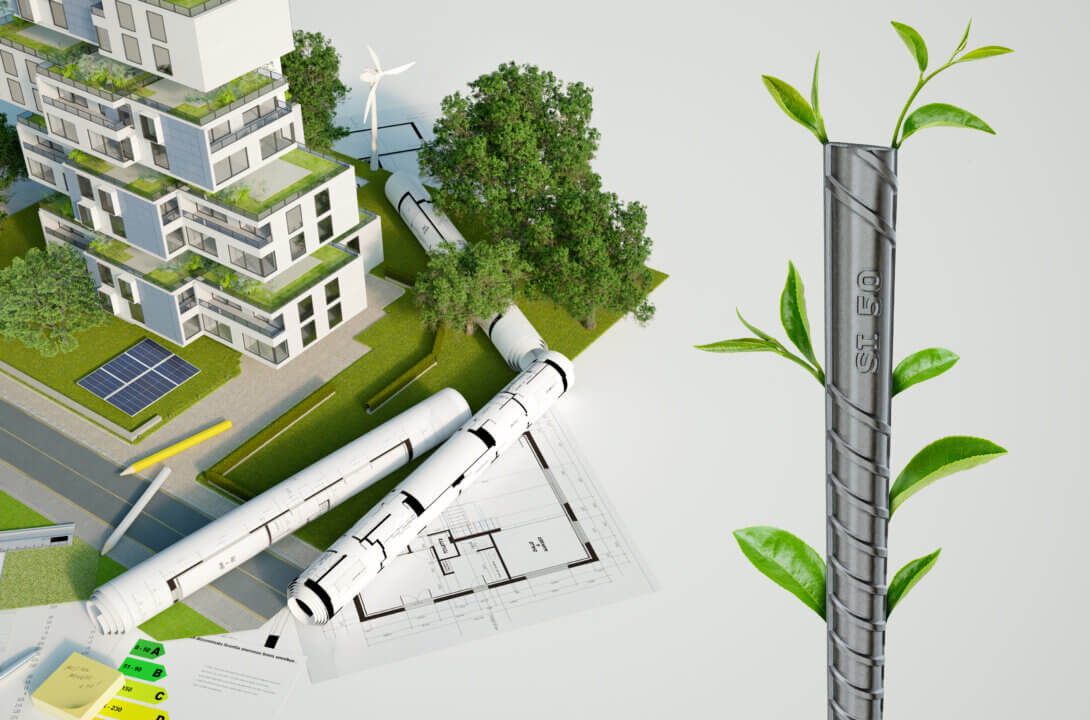
Sustainable buildings are buildings designed and constructed to reduce environmental impact and promote the use of natural resources more efficiently.
They are executed using techniques and materials that minimize energy and water consumption, properly manage waste, preserve air and water quality, and promote people's well-being.
Whether residential, commercial, institutional, or industrial, they are designed to function in harmony with the environment. Therefore, they consider factors such as local climate conditions, user needs, and environmental impacts.
Some of the characteristics of sustainable buildings include:
Sustainable buildings offer a range of benefits. Below, you'll find the main ones.
By using materials that offer better thermal insulation, the need for air conditioning or artificial heating is reduced. Furthermore, it can be equipped with renewable energy systems, such as solar panels, to further reduce energy consumption.
By using rainwater harvesting techniques and water reuse systems, such as for watering gardens or washing cars, you help reduce the demand for drinking water and preserve water resources.
By using less toxic and more natural components, indoor air quality improves. This is especially important for people with allergies and other respiratory conditions.
Durable and recyclable materials are selected, which reduces the amount of waste produced during the construction process and at the end of its useful life.
Although the cost may be higher for a sustainable building, the long-term savings in energy, water and maintenance can be significant.
This type of project is designed to improve the comfort and well-being of occupants, providing a healthier and more pleasant environment. In a way, it improves quality of life.
Overall, this type of building helps reduce the ecological footprint of the construction industry, contributing to a more sustainable and resilient future for the planet. In other words, it's not just about the region, but the entire world.
One of the materials used in sustainable construction is steel. It is widely used in construction, industry, and various other sectors of the economy.
Its sustainability is an important concern to ensure that its production and use are carried out in a responsible and conscious manner.
There are several types of steel, which can be used in countless ways in sustainable construction, contributing to reducing the environmental impact of buildings. Some of these ways include:
Steel can bring several benefits to the environment when used sustainably and with good supplier. Next, check out the positive points to adopt it in projects.
When steel is produced sustainably, using renewable energy sources and cleaner technologies, greenhouse gas emissions are reduced. This contributes to combating climate change and preserving the environment.
It is a very durable and resistant material, which can be recycled countless times without losing its properties. This means that by recycling it in the construction of buildings and other structures, it is possible to save natural resources and reduce the environmental impact of producing new materials.
It can be used in the construction of thermal insulation systems. This means that buildings constructed with steel can have a lower environmental impact in terms of energy consumption and greenhouse gas emissions.
Steel is a versatile, strong, and durable material. When used responsibly, it can be used in sustainable construction, offering environmental and social benefits.
Read others blog contents and learn more about our sustainable actions!
 EN
EN  PT_BR
PT_BR