Steel is one of the main metals used in construction today, as it can fulfill countless functions in a building. Much of this is due to the variety of steel types available, each with different properties and alloy compositions. However, there are alternatives that have the same composition but different characteristics, such as hot and cold plate.
These two types of steel are quite common in industry. Although they are produced from the same base piece, each acquires its own distinct characteristics as a result of its rolling process. Understanding the differences between these two materials is crucial when planning a project or offering your products to a potential client.
Follow and better understand the differences between hot thin plate and cold thin plate.
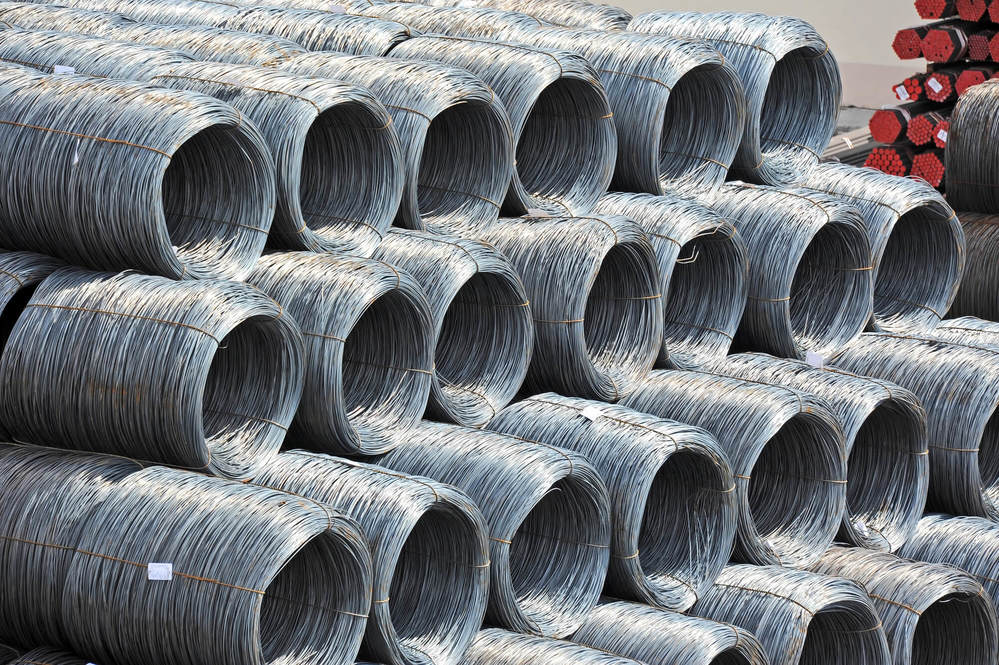
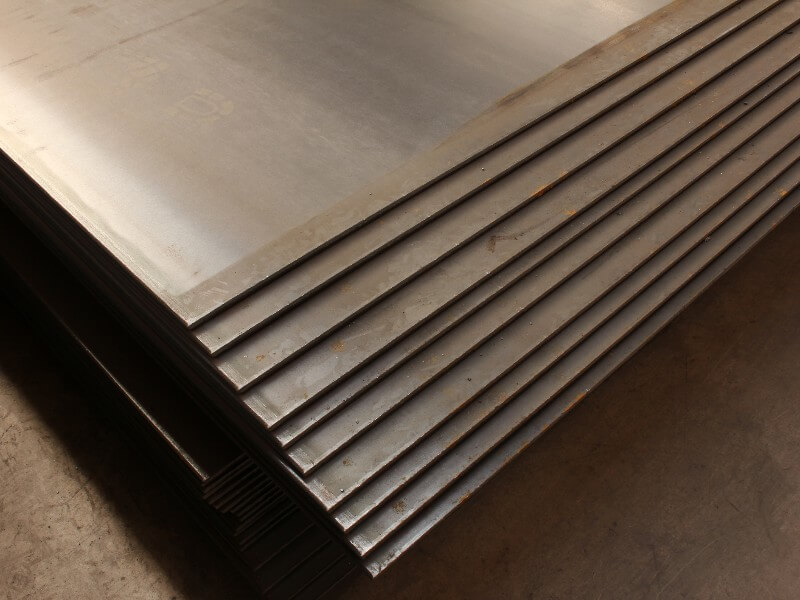
The name itself is pretty self-explanatory. Thin steel sheets are produced through a process called rolling, which involves compressing a coil of steel under two cylinders, generating these thin plates, like a blade.
The thickness of the blades can also vary, simply by changing the distance between the compressors. Their other dimensions are generally standardized. The width is around 1200 mm, while their length is between 2000 and 3000 mm.
These sheets, in turn, can be cut and shaped to fulfill different functions. Some are used as coverings, formed into parts, or welded with other metals to create something more complex. As simple as this process may be, it already causes some changes in the steel's properties.
It's also worth remembering that rolling is a molding process applied to a variety of metals, not just steel. It's a simple and effective way to produce a material with more expressive qualities, which can be used more efficiently for specific tasks.
Despite going through the same process, rolling a cold or hot steel part changes the final structure of the part.
One hot thin plate It is obtained when metal is rolled at a high temperature, typically starting at 1000°C and finishing between 900°C and 700°C. After the rolling process, the sheet is cooled slightly to prevent tensioning of the material, which also reduces its dimensions. At this point, it can be shaped more easily.
Cold sheet, on the other hand, is obtained when rolling is carried out at room temperature. And because it doesn't undergo significant temperature changes, it doesn't shrink. This makes the steel denser, as the material is compressed while still cold.
Many businesses that supply building materials and metals often offer both types of metal. They can be cut and folded according to the needs of each client, so that they can be part of a more elaborate structure.
Understanding the differences between these materials is essential to make better use of metals in civil constructionNaturally, this also applies to the assembly and structuring of thin sheets. See below for their specificities and how these characteristics should be considered when closing a sale.
One of the advantages of hot sheet metal is its increased weldability and toughness, making it ideal for situations where the metal will still be worked. Therefore, it can also be used as a welding metal, for example, to repair flaws.
As a result of its cooling process after rolling, this sheet can also become wrinkled, which somewhat detracts from its aesthetics. However, this can be remedied with some polishing techniques. Its color also tends to be slightly bluish, which can be a plus in some projects.
A thin cold sheet is usually stronger than its alternative, with a more solid structure. Therefore, it can be cut and used as a base in more environments. However, to achieve this greater strength, it loses some of its flexibility, which makes it somewhat difficult to cut and bend.
Its aesthetic is also more appealing right away, as it has a solid, smooth gray color, without the wrinkles of a hot plate. As a result, the piece doesn't require as much aesthetic finishing to achieve the desired look. In many cases, the goal is a more natural tone and appearance.
Both hot and cold thin plates have several uses within the civil construction. Each of them taking full advantage of their unique characteristics.
Hot plate is used in various types of structures that require flexibility or need to be molded into very specific shapes. This is the case, for example, with rails, parts of railway cars, metal doors, and shelves. Its lighter, more flexible composition tends to be more durable under these pressures than a more rigid material.
Cold sheet metal, due to its greater hardness and smooth finish, can be found in countless types of metal objects used in everyday life. Most of them take advantage of its rigidity to maintain their conformability. This is the case with furniture with metal components, computer cases, and pots and pans.
By reading this content, you'll be able to apply each component to your projects more appropriately, utilizing all resources correctly. This will ensure customer satisfaction and the quality of all your services.
Now that you understand the difference between hot and cold plate, you can point out these qualities to your customers when making your purchase. saleOffering higher-quality products is essential to ensure customer satisfaction. And, of course, don't forget to include variety in your inventory.
Want to find the quality steel you need? Then check out our product catalog and request a budget from the Aço Cearense Group right now!
 EN
EN  PT_BR
PT_BR