In the construction industry, material quality is a crucial component of a project, as various complications can arise when a company doesn't work with raw materials that meet the desired standards. Among these fundamental components, we can highlight annealed wire, widely used on various construction sites.
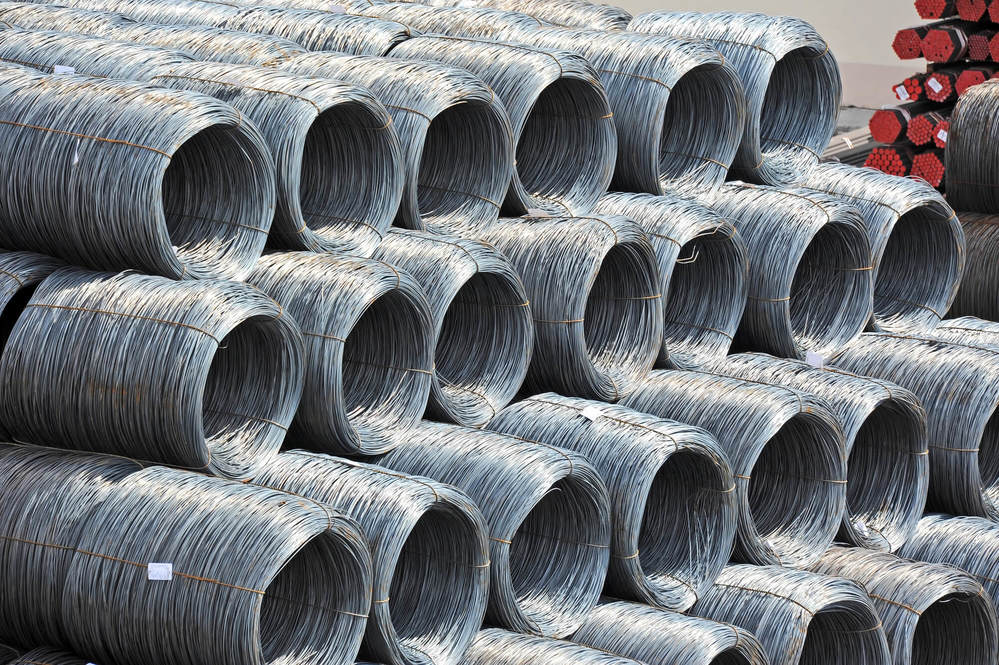
This type of wire is made from low-carbon steel that undergoes longer, more refined processing in steel industry. After the pickling, rolling, and drawing process, the material is sent back to heat treatment furnaces and, after this entire procedure, acquires new qualities, which are better for certain parts of a structure.
To help you understand the topic better, we've put together 8 advantages of using annealed wire in your projects. Read on.
Annealing is a common process in metallurgy, especially when it comes to wire. Its purpose is to make the material more malleable, allowing it to easily mold into various configurations. This condition is necessary to create structures that meet their own design and functionality criteria.
Furthermore, this feature allows steel-based parts to fit into locations that would otherwise require custom components. This allows civil engineers to put their creativity into practice without resorting to custom solutions.
Another positive effect of annealing is the service life of the material. Typically, steel yields when exposed to great mechanical pressure, causing it to bend or even break. However, after undergoing appropriate tempering processes, such as annealing, the material can withstand greater traction.
Furthermore, the annealed wire rope has greater ductility, meaning it can be bent more intensely without causing any breakage — which is very useful in a variety of applications.
In addition to withstanding high pressure and tensile strength, this type of wire condenses all this strength into a small space. Thus, annealed wire is capable of supporting more complex structures, even when the available area is minimal.
Annealed wire can be thinner, less than a centimeter, or slightly thicker, depending on the specific needs of each project. In any case, it offers high strength and robustness compared to its overall size.
Due to its low carbon content, annealed wire offers natural wear resistance. Heating the material to high temperatures, followed by controlled cooling, ensures the steel's integrity, even when exposed to humid or corrosive environments.
Therefore, when used in challenging situations, annealed wire performs its function without compromising the safety and success of the project.
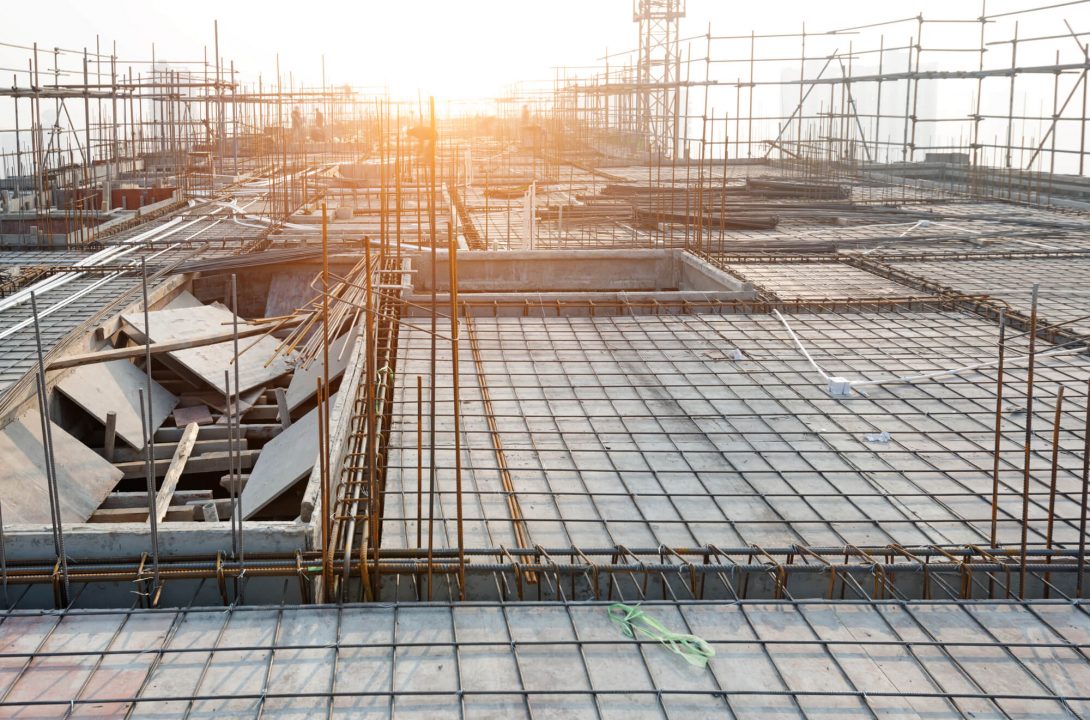
Naturally, a high-quality material can be used in a variety of contexts, ranging from simply tying pieces together to fixing structures, such as rebars, in the concrete frame.
You can also use annealed wire to build fences, delimit spaces, and other situations, as long as you know the material's technical specifications and understand how it can be used correctly.
Annealed wire is a commonly used material due to its efficiency and low application costs. Therefore, investors in civil projects make strategic purchases, focusing on the quality and cost-effectiveness of this material, especially in large-scale construction projects.
Because the product is so robust, material changes become less frequent, resulting in savings in the medium and long term. Therefore, annealed steel is an excellent solution for achieving better results and following a financial plan—and even smaller plants benefit from this advantage.
As annealed wire has recyclable features, its ecological impact is lower than other materials that don't have this benefit. Therefore, by using annealed steel in construction or projects, the construction company reduces the production of harmful waste, promoting the adoption of more responsible environmental practices.
This commitment to sustainability demonstrates a genuine commitment to protecting natural resources. This positioning is crucial for fostering your business's institutional image in a consumer market that increasingly values environmental stewardship.
It's no secret that the properties of annealed wire allow it to be molded into a variety of shapes, facilitating its integration with other structural elements of the project. Therefore, compared to treated steel, annealed steel has a greater capacity to absorb stress.
Furthermore, it's important to reinforce the compatibility of annealed steel with concrete. This combination delivers robust and safe structures, where the concrete provides compressive strength and the wire tensile strength.
Another factor to consider is the interaction of this malleable material with different products, such as other metals or even wood. Although these inputs have different properties, it is possible to use them together in civil constructionFor example, the combination of steel and wood creates functional and aesthetic solutions, as long as technical requirements are taken into account to avoid infrastructure problems and deterioration.
Now that you understand the properties of annealed wire and its many advantages in construction, you'll be able to use this material more efficiently. Since choosing a well-established supplier is crucial for ensuring durable, high-quality products, when partnering with a supplier for your projects or resale, consider the differentiators of each company, such as their sales experience, product catalog, and technical support.
Present in the steel market for over 45 years, Ceará Steel Group stands out for offering highly resistant and reliable inputs, in addition to having personalized service that prioritizes customer demands.
Make the best choice and don't hesitate to contact usOur team is ready to offer you the best solutions, always offering excellence in every detail.
 EN
EN  PT_BR
PT_BR